
Table of Contents
Togglecarbide ball burr
Carbide ball burrs have become indispensable tools in modern dentistry due to their versatility and precision. These small, spherical cutting instruments, commonly made from tungsten carbide, are used in a wide range of dental procedures. In this article, we will delve into the different applications of carbide ball burrs, highlighting their significance in various dental treatments.
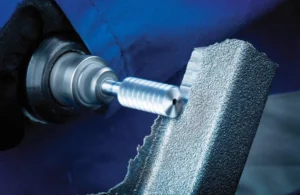
Preparation of Cavities:
Carbide ball burrs play a crucial role in the preparation of cavities for dental fillings. The burrs are used to remove decayed or damaged tooth material, creating a clean and well-defined cavity shape. Their small size and spherical shape allow for precise and controlled removal of the affected area, ensuring minimal damage to the healthy tooth structure.
Root Canal Procedures:
During root canal treatments, carbide ball burrs are employed to shape and clean the root canals. These burrs effectively remove infected or necrotic tissue, ensuring thorough cleaning and disinfection of the canals. The spherical shape of the burrs enables them to reach and navigate the complex anatomy of the root canal system, facilitating optimal treatment outcomes.
Crown Preparation:
Carbide ball burrs are widely used in crown preparation procedures. They aid in the precise reduction of the tooth structure to accommodate the crown restoration. With their spherical shape, these burrs allow dentists to achieve accurate and even reduction, ensuring proper fit and alignment of the crown.
Esthetic Contouring:
Dental aesthetics are of utmost importance in modern dentistry. Carbide ball burrs are employed in esthetic contouring procedures to reshape and refine the tooth enamel. Dentists use these burrs to precisely sculpt the tooth surface, creating harmonious contours and improving the overall appearance of the smile.
Removal of Excess Adhesive:
In orthodontic treatments, carbide ball burrs are utilized for the removal of excess adhesive. After brackets or attachments are bonded to the teeth, any excess adhesive needs to be carefully removed. The small size and spherical shape of these burrs allow for efficient and controlled removal of the adhesive without causing damage to the tooth enamel.
Prosthetic Adjustments:
Carbide ball burrs find applications in prosthetic adjustments, such as denture modifications. Dentists use these burrs to adjust the shape, size, and fit of prosthetic appliances, ensuring optimal comfort and functionality for the patient.
Removal of Enameloplasty:
Enameloplasty, the reshaping of teeth to correct minor imperfections, also benefits from the use of carbide ball burrs. Dentists can precisely contour and reshape the enamel to achieve desired aesthetic results. The burrs’ spherical shape aids in achieving smooth and uniform enamel surfaces.
Carbide ball burrs have revolutionized dentistry by offering precise, controlled, and versatile cutting capabilities. Their applications in various dental procedures, such as cavity preparation, root canal treatments, crown preparation, esthetic contouring, adhesive removal, prosthetic adjustments, and enameloplasty, are vital for achieving optimal treatment outcomes. With the continuous advancements in dental technology, carbide ball burrs will likely continue to play a pivotal role in enhancing dental care and patient satisfaction.
 English
  Chinese
  German
  French
  Portuguese
  Spanish
  Turkish
  Russian
  Polish