
In the ever-evolving world of engineering, precision and durability hold paramount importance. One material that has increasingly gained attention for its exceptional properties is the carbide rod. These rods, composed primarily of tungsten carbide, offer engineers a versatile solution that enhances both the longevity of tools and the accuracy of their applications. In this article, we will explore how carbide rods contribute to engineering by delving into their benefits, application areas, and their role in promoting innovation.
Understanding Carbide Rods
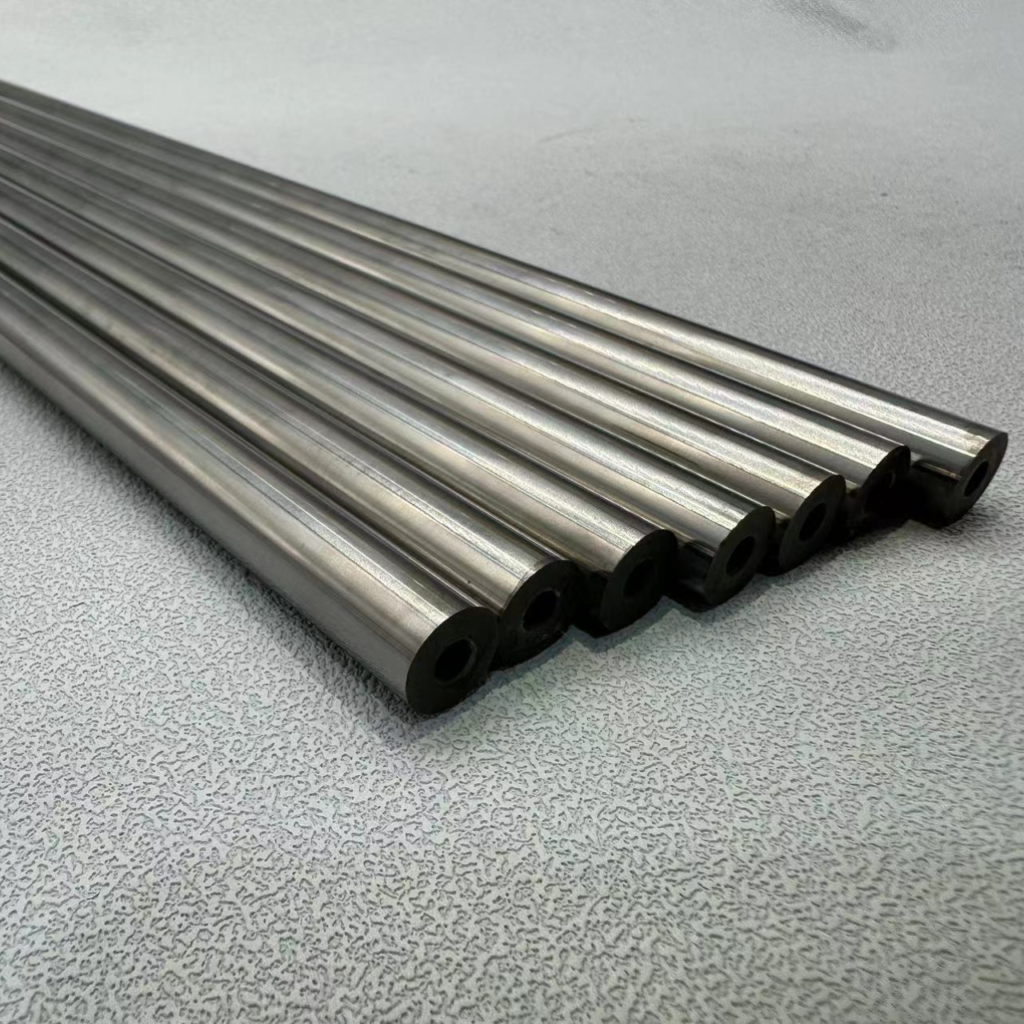
Before we delve into their advantages, let’s clarify what carbide rods are. Typically made from a mixture of tungsten and carbon atoms, carbide rods are notable for their hardness and resistance to wear. This unique composition allows them to retain their shape and performance under strenuous conditions, making them an ideal choice for numerous engineering applications.
The Benefits of Carbide Rods
1. Exceptional Hardness
One of the standout features of carbide rods for engineering purposes is their extraordinary hardness. This property enables them to withstand significant wear and tear, making them highly reliable. For instance, tools manufactured from carbide rods can remain sharp far longer than those made from softer materials. This leads to less frequent tool changes and decreased downtime in manufacturing processes.
Consider a manufacturing company that relies on cutting tools for machining metals. By integrating carbide rods into their tooling, engineers can produce sharper blades that endure longer than traditional steel blades. This not only saves operational costs but also boosts productivity, leading to better profit margins.
2. Precision Engineering
Precision is crucial in any engineering discipline, particularly in fields such as aerospace, automotive, and medical device manufacturing. Carbide rods for engineering purposes are often utilized to create drill bits and milling tools that require high levels of accuracy. The stability and rigidity of carbide allow these tools to make precise cuts without flexing or disturbing the workpiece.
For example, in aerospace engineering, where tolerances can be as tight as a few micrometers, carbide rods help to manufacture critical components with exact dimensions. This accuracy helps ensure the safety and efficiency of aircraft, preventing issues that can arise from imprecise part creation.
3. Resistance to Heat & Chemical Wear
Another significant advantage of carbide rods is their exceptional resistance to heat and chemical wear. In engineering applications, components are often exposed to extreme temperatures and harsh environments. Carbide rods can withstand these conditions without losing their functionality.
Imagine a scenario in the oil and gas industry, where drilling tools encounter not only high pressures but also corrosive substances. Carbide rods provide a solution that helps maintain the integrity of these tools, ensuring they operate efficiently and last longer even in challenging settings.
4. Cost-Effectiveness
While carbide rods may have a higher initial cost compared to other materials, their long-lasting performance ultimately contributes to cost-effectiveness. The durability ensures that replacement intervals are extended, thus lowering the total cost of ownership over time.
Companies that manufacture components with carbide rods can enjoy lower maintenance costs and fewer tool changes, leading to enhanced productivity overall. For instance, a factory that switches to carbide cutting tools could see a reduction in annual tooling expenditures, proving that investing in quality materials pays off in the long run.
Applications of Carbide Rods
1. Aerospace Industry
In the aerospace sector, precision and reliability are non-negotiable. Carbide rods find their application in the manufacturing of various essential parts, such as turbine blades, that require extreme accuracy and durability. For instance, these rods are also used to produce tools for machining aircraft components, ensuring they meet rigorous safety standards.
2. Automotive Manufacturing
The automotive industry also benefits significantly from carbide rods. They are extensively used in the production of cutting tools, drill bits, and punches. High-speed steel tools may not provide the durability required for machine operations, but carbide materials allow components to achieve the necessary accuracy and endurance.
3. Medical Device Production
In the medical field, where precision is critical, carbide rods are essential for producing surgical instruments. These instruments must not only hold their precise dimensions but also resist sterilization processes without degrading. The use of carbide rods helps maintain the integrity of these tools, thus ensuring the safety of patients.
Conclusion
As we have explored, carbide rods for engineering purposes play a crucial role in enhancing precision, durability, and cost-effectiveness across various industries. Their exceptional hardness and resistance to wear make them a preferred choice for manufacturers looking to boost productivity and ensure accuracy.
Take a moment to consider the items we encounter daily and how integral precision-engineered tools are to their production. From the safety of airplanes to the intricacies of medical devices, carbide rods make significant contributions that often go unnoticed.
Investing in carbide rods not only leads to immediate benefits but also sets a foundation for long-term success in engineering projects. As we continue to innovate and push the boundaries of what’s possible, carbide rods will undoubtedly remain at the forefront of engineering excellence. Ultimately, whether for cutting, drilling, or milling, choosing carbide rods is a step towards ensuring superior performance in any engineering endeavor.

Contact Our Specialists: +86-18673327292
Email Your Requirements: info@gwcarbide.com
Explore Our Full Range: https://grewintools.com
https://www.coweecarbide.com
 English
 Chinese
 German
 French
 Portuguese
 Spanish
 Turkish
 Russian
 Polish