
Choosing the right standard saw blade is essential for achieving precise and efficient cuts, whether you’re a professional carpenter or a DIY enthusiast. With numerous options available, it can be overwhelming to decide which blade suits your project best. In this article, we will explore the different types of standard saw blades, their benefits, and how to match them to your specific cutting needs.
Understanding Standard Saw Blades
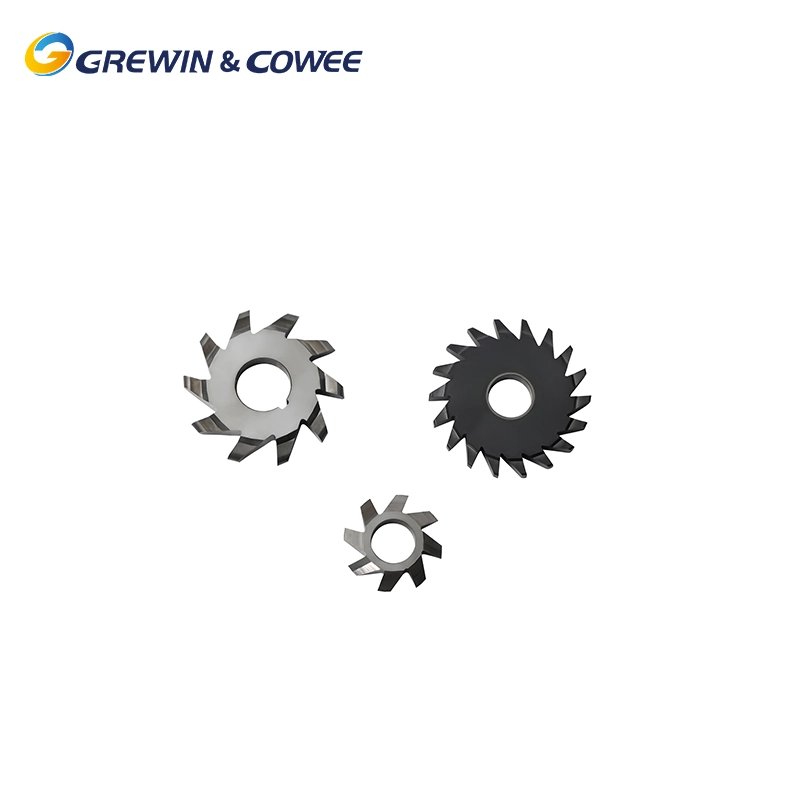
A standard saw blade is a circular cutting tool that fits onto a saw, allowing users to cut through various materials. The blade features sharp teeth that determine how well it can slice through specific substances. For instance, a blade designed for wood will have fewer teeth and larger spaces between them compared to one meant for cutting metal. When purchasing a standard saw blade, consider the material you’ll be cutting most frequently, as this will significantly impact the blade’s effectiveness.
Types of Standard Saw Blades
There are several types of standard saw blades, each designed for particular materials and cutting requirements. Here are some common types and their applications:
1. Rip Blades:These blades are perfect for cutting lumber with the grain. With fewer teeth (typically 24 to 30), they create fast cuts and help prevent the blade from binding. A carpenter aiming to rip a 2×4 piece of wood would benefit from using a rip blade, as it cuts efficiently along the length of the wood, ensuring a clean and straight cut.
2. Crosscut Blades: Ideal for cutting across the grain, crosscut blades feature more teeth (usually between 60 to 80). This design helps create smooth finishes, making them suitable for projects that require aesthetics, such as furniture making or cabinetry. If you’re building a kitchen table and need to cut the legs with precision, a crosscut blade would be your best option.
3. Combination Blades:A versatile choice, combination blades have a mix of teeth designed for both ripping and crosscutting. They typically have 40 to 50 teeth, making them suitable for general-purpose cutting. An amateur woodworker looking to tackle various projects—from shelves to tables—will find a combination blade convenient for its adaptability.
4. Melamine and Plywood Blades: For those working with composite materials, these blades have specially designed teeth to reduce chipping and ensure a clean cut. An example would be a contractor building custom cabinetry who needs to cut melamine without ruining the surface finish. A melamine blade can help achieve that professional look with ease.
5. Metal Cutting Blades:When it comes to cutting through metals, standard saw blades differ significantly as they rely on different tooth configurations and materials. A blade designed for metal typically has fewer teeth but uses a tougher material that can withstand high heat. If you’re working on metal fabrication, investing in a high-quality metal cutting blade is non-negotiable for safety and accuracy.
Factors to Consider When Choosing a Standard Saw Blade
When selecting a standard saw blade, there are several factors to keep in mind. These considerations will help ensure you choose the right tool for your cutting needs:
– Material Types: Always match the blade type to the material you will cut. For example, using a wood-cutting blade on metal will not only yield poor results but can also damage your equipment.
– Tooth Count: The number of teeth affects the cut’s speed and quality. Fewer teeth allow for faster cuts but might produce rough edges, while blades with more teeth create smoother finishes but cut slower. Assess the quality you desire versus the cutting speed based on your project timeline.
– Blade Diameter: The size of the blade determines the depth of the cut. For deeper cuts, a larger diameter is necessary. Ensure the diameter is compatible with your saw and fits your project requirements.
– Hook Angle: The hook angle refers to the angle of the teeth in relation to the center of the blade. A positive hook angle (where the teeth tilt towards the direction of cut) provides faster cutting but may increase tear-out; on the other hand, a negative hook angle offers better control but reduces cutting efficiency.
Benefits of Choosing the Right Standard Saw Blade
The right standard saw blade offers several benefits that can improve your overall woodworking experience:
– Precision and Quality: A suitable blade will enhance the quality of your cuts and produce less waste. This attention to detail is vital for professional results, especially in intricate projects.
– Increased Efficiency: Using the appropriate blade for your specific material and cutting task increases your efficiency. By reducing the amount of effort and time spent cutting, you can complete your projects quicker and with less fatigue.
– Safety: Specific blades reduce the risk of kickback and binding. When using a blade designed for your task, you are also choosing one that minimizes potential hazards, making your work environment safer.
Conclusion
In summary, selecting the right standard saw blade is crucial for your cutting needs. Whether you’re ripping lumber or cutting fine cabinet pieces, the right blade will provide enhanced precision, safety, and efficiency. As you venture into your next woodworking project, consider the type of material you are working with and investigate the blade options available. Investing in a quality standard saw blade not only contributes to your project’s success but also elevates your skills and enjoyment in woodworking. So the next time you reach for a saw, take a moment to think about the blade that will best serve your cutting needs. Choose wisely, and let your craftsmanship shine.
Get Technical Data & Expert Advice:
- Download specs & technical guides: www.grewintools.com or www.gwcarbide.com
- For Russian customers: www.grewintools.ru
- Connect directly for samples or consultation:
- Contact: Lydia Choo
- WhatsApp: +86-18673327292
- Email: info@gwcarbide.com
- Additional product lines: www.coweecarbide.com
 English
 Chinese
 German
 French
 Portuguese
 Spanish
 Turkish
 Russian
 Polish