
When it comes to machining complex shapes in plastic, selecting the right tools can significantly influence the outcomes. This is particularly true for end mills for plastic, a specialized category of cutting tools designed to enable precision shaping and finishing of plastic materials. Understanding the unique features and benefits of end mills for plastic can make all the difference for manufacturers, fabricators, and hobbyists alike.
The Importance of Choosing the Right End Mills
Plastic is a versatile material used across various industries, from automotive and electronics to medical devices and consumer goods. Each application demands precision and quality, and this is where the choice of end mills becomes critical. Choosing tools suited for plastic not only enhances the machining process but also reduces tool wear and improves the overall finish of machined parts.
For example, if you’re working on intricate plastic components for a drone, using the wrong type of end mill can lead to burrs and a poor finish. Similarly, in medical device manufacturing, where precision is non-negotiable, utilizing end mills specifically designed for plastics ensures that components meet stringent quality standards.
Key Features of End Mills for Plastic
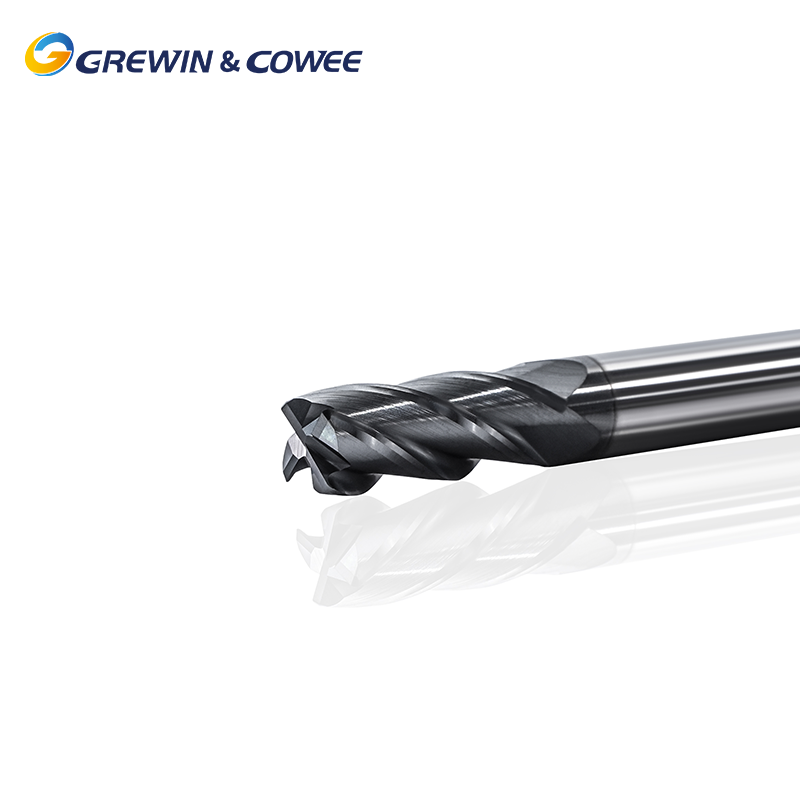
End mills for plastic come with several features optimized for machining this lightweight material effectively. One of the most notable attributes is their geometry. Unlike standard end mills made for metals, those designed for plastic tend to have sharp cutting edges and specific flute designs that reduce chip load and heat generation. This is essential because overheating can lead to melting or deformation of the plastic, ruining the part being machined.
For instance, high helix angles are common in end mills for plastic; this design feature facilitates the rapid evacuation of chips created during machining. By reducing chip clogging, these end mills help maintain a constant cutting speed and improve overall efficiency.
Moreover, materials used to manufacture end mills for plastic often include coatings like titanium nitride (TiN) or diamond-like carbon (DLC). These coatings enhance the cutting performance and increase tool life by reducing friction and wear during the cutting process. Imagine machining a batch of plastic housings for an electronic device; the longevity of your end mills directly impacts production time and costs.
Benefits of Using End Mills for Plastic
The benefits of using end mills specifically designed for plastic are numerous and noteworthy. First and foremost, they offer unparalleled precision; this is crucial when working with tolerances that may affect the assembly or functionality of parts. Secondly, these specialized tools provide smoother surfaces, which often means less post-processing work, saving time and reducing costs associated with secondary operations.
Consider a scenario where a manufacturer is producing housings for smartphone cases. Using end mills for plastic, they can achieve intricate designs with exceptional smoothness, reducing the need for sanding or finishing. Not only does this streamline the process, but it also ensures that the aesthetic quality of the final product meets consumer expectations.
Another key benefit is reduced tool wear. Since plastic is abrasive and may lead to premature wear on standard tools, using end mills engineered for this material helps maintain tool integrity over longer production runs. This is particularly beneficial for businesses that rely on high-volume machining.
Application Areas for End Mills for Plastic
End mills for plastic find applications across various industries. In the automotive sector, they are commonly used to create custom parts, fittings, or interior components. The lightweight nature of plastic improves fuel efficiency and vehicle performance.
In the electronics sector, precision cutting tools help manufacture circuit boards and protective casings. Having reliable end mills ensures that intricate designs are followed closely, reducing the risk of malfunction due to poor connectivity or structural integrity.
The medical field is another significant application area. Components like syringes, housing for electronic monitoring devices, or even delicate surgical tools require precision and reliability that only end mills for plastic can provide. Here, meeting regulatory standards is essential, emphasizing the need for quality in every machined part.
Choosing the Right End Mill for Your Project
Selecting the right end mill for your project may feel overwhelming given the variety available, but a few guiding principles can simplify the decision-making process. First, consider the type of plastic you are working with. Different plastics have distinct machining characteristics. For example, softer plastics like acrylic may require different tools than harder thermoplastics such as polycarbonate.
Next, assess the complexity of your machining tasks. If you are working on intricate designs, look for end mills with finer geometries and sharper cutting edges that can navigate tight corners and curves.
Lastly, think about volume. If you need high productivity with less downtime, investing in high-quality end mills with long tool lives will pay off in the long run.
Conclusion
In conclusion, the role of end mills for plastic in modern manufacturing cannot be overstated. These specialized tools enhance precision, efficiency, and quality across a range of applications. By understanding their unique features and benefits, professionals can make informed decisions that lead to better machining outcomes. Whether you’re involved in automotive, electronics, or medical device manufacturing, the right end mills for plastic can significantly influence the success of your projects. Investing in these tools is not just a choice; it’s a commitment to excellence in machining practices.
As we look to the future, embracing advancements in cutting technology will continue to shape how we approach plastic machining, ensuring that quality and efficiency remain at the forefront of each project. By harnessing the capabilities of end mills for plastic, manufacturers can stay ahead in a competitive market, delivering products that not only meet but exceed customers’ expectations.
Get Technical Data & Expert Advice:
- Download specs & technical guides: www.grewintools.com or www.gwcarbide.com
- For Russian customers: www.grewintools.ru
- Connect directly for samples or consultation:
- Contact: Lydia Choo
- WhatsApp: +86-18673327292
- Email: info@gwcarbide.com
- Additional product lines: www.coweecarbide.com
 English
  Chinese
  German
  French
  Portuguese
  Spanish
  Turkish
  Russian
  Polish