
1. Introduction: The Efficiency Race – Where Metal Processing Becomes the Game Changer
In the competitive landscape of modern manufacturing, efficiency is the name of the game. One key area that plays a pivotal role in enhancing this efficiency is metal processing.This term encompasses a variety of techniques used to shape, cut, and form metal into usable components. As industries continue to evolve, innovative metal processing techniques emerge, fundamentally transforming how products are made and improving operational efficiency. This article explores the benefits and applications of metal processing that matter to customers, showcasing how these methods can optimize production.
2. The Technology Landscape: From Traditional Casting to Smart Additive Manufacturing
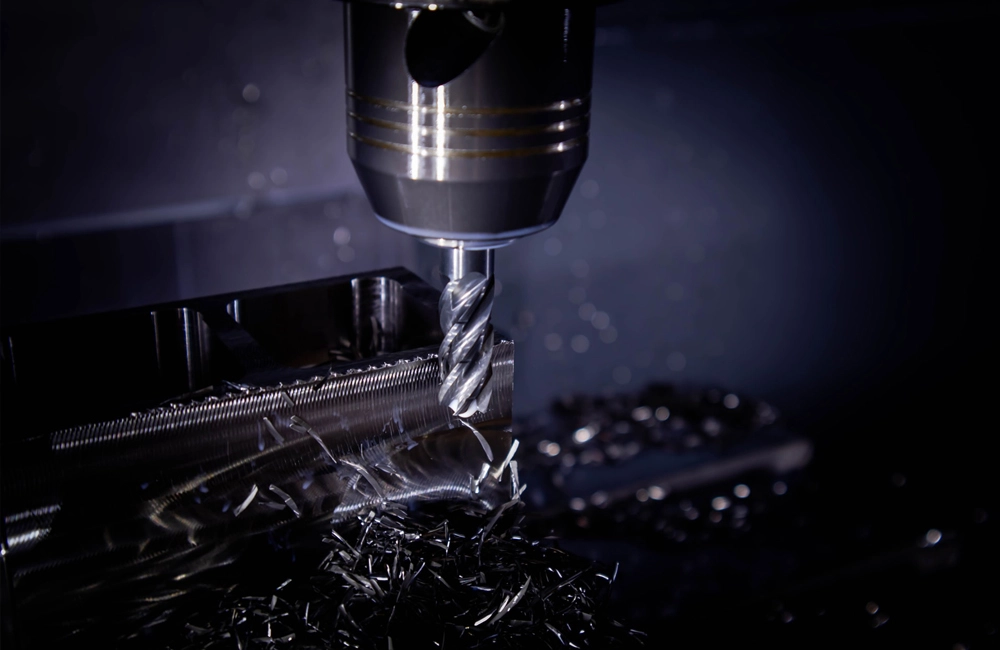
Metal processing begins with an understanding of the various techniques in play. These range from traditional methods like casting and forging to more advanced practices such as laser cutting and 3D printing.Each technique has its own strengths and applications. For instance, casting allows for the creation of intricate shapes and designs by pouring molten metal into a mold. This process is particularly beneficial for industries such as automotive manufacturing, where complex parts are often required. Moreover, the efficiency of producing highly detailed components in a single step reduces labor costs and minimizes waste—a significant advantage for any business.
3. Automotive Industry: The Precision-Driven Revolution in Mass Production
In the automotive sector, precision is paramount. Here, metal processing techniques allow for the production of engine blocks, transmission cases, and chassis components with high levels of accuracy.For example, companies like Ford and Tesla have adopted advanced metal processing technologies to cut down on production time while maintaining quality. Utilizing techniques like CNC (Computer Numerical Control) machining, these manufacturers can produce thousands of identical parts without variances that might otherwise hinder vehicle assembly. This meticulous precision not only speeds up production but also enhances product reliability—a criteria that is on the forefront of consumer decision-making.
4. Aerospace Engineering: Balancing Lightweight Design and Extreme Performance
Another significant improvement in manufacturing efficiency can be witnessed in the aerospace industry. Metal processing techniques facilitate the fabrication of lightweight yet strong components essential for flight.Consider the use of titanium, which, through processing techniques like forging or flow forming, results in parts that are not only highly resistant to corrosion but also capable of withstanding extreme temperatures. The combination of strength and lightweight properties significantly increases the performance and fuel efficiency of aircraft. Additionally, as environmental concerns grow, manufacturers that adopt advanced metal processing are better positioned to align with sustainability goals, an increasing priority for customers.
5. Medical Field: Guarding Life and Health with Micron-Level Precision
Furthermore, the medical industry exemplifies how metal processing techniques revolutionize production processes. Surgical instruments and medical devices require absolute precision and reliability.Advanced metal processing techniques, such as electrochemical machining, allow manufacturers to create precisely shaped instruments with smooth finishes, reducing the need for additional polishing and increasing the lifespan of the devices. Companies specializing in orthopedic implants use specialized metal processing techniques to ensure that their products integrate seamlessly with human anatomy, providing comfort and durability while significantly improving patient outcomes. When purchasing metal components for medical applications, customers are particularly attentive to quality standards and the reliability of these techniques, knowing they directly impact lives.

6. Flexible Manufacturing: The New Engine for the Era of Small-Batch Customization
However, the benefits of metal processing techniques extend beyond industry-specific applications. Customization is increasingly becoming a vital aspect of modern manufacturing.. With advances in metal processing, companies can provide tailored solutions to meet diverse consumer needs without incurring high costs. Take small businesses, for example. Utilizing techniques like laser cutting, they can produce bespoke items on demand, ranging from decorative home goods to personalized gifts. This flexibility in production not only attracts customers but also encourages innovation, as businesses can test new ideas without prohibitive financial risk.
7. Future Outlook: When Metal Processing Embraces Artificial Intelligence
When considering the future, it is clear that continuous advancements in metal processing will shape the manufacturing landscape. Technologies like automated systems and artificial intelligence are now being integrated with traditional metal processing techniques, ushering in an era of smart manufacturing. Automation enhances the speed and accuracy of processing while ensuring fewer human errors. For instance, robotic arms equipped with cutting tools can perform tasks quicker than manual labor, simultaneously improving precision and safety.
8. Competitive Edge: How Metal Processing Builds the Moat of Modern Manufacturing
In today’s marketplace, where competition is fierce, and consumer expectations are high, companies that harness these metal processing techniques stand to gain a significant competitive advantage.The ability to reduce production time, minimize material waste, ensure safety and compliance, and customize products will inevitably attract discerning customers. As the manufacturing industry navigates through considerable changes driven by technology and consumer demand, the role of effective metal processing remains indispensable.
9. Conclusion: Metal Processing – The Eternal Rhythm of Manufacturing Evolution
To summarize, metal processing is more than just a cornerstone of manufacturing; it is a dynamic field that continuously adapts to meet the demands of industry and consumer preferences.Its importance spans various sectors, from automotive to aerospace, medical to custom manufacturing. With its ability to enhance efficiency, reduce costs, and improve product quality, metal processing techniques have and will continue to revolutionize how products are manufactured. As industries look towards the future, the necessity for efficiency and quality will guarantee that metal processing remains a central focus in manufacturing strategies.
10. Call to Action: A Manufacturing Philosophy of Innovating for Customer Value
In conclusion, whether you’re in the market for precise aerospace components or custom metal products, understanding the intricacies and advantages of metal processing can significantly inform purchasing decisions.Embracing these innovative techniques not only ensures production excellence but also satisfies customers’ evolving needs and desires. Therefore, as we move forward into an era defined by rapid technological advancement, the promise of metal processing will shine brighter than ever.

Get Technical Data & Expert Advice:
- Download specs & technical guides: www.grewintools.com or www.gwcarbide.com
- For Russian customers: www.grewintools.ru
- Connect directly for samples or consultation:
- Contact: Lydia Choo
- WhatsApp: +86-18673327292
- Email: info@gwcarbide.com
- Additional product lines: www.coweecarbide.com
 Spanish
  English
  Chinese
  German
  French
  Portuguese
  Turkish
  Russian
  Polish