
Metal processing is a vital part of modern manufacturing, playing a crucial role in several industries—from construction to automotive and aerospace. As businesses strive for efficiency and innovation, understanding key techniques in metal processing can provide a competitive edge. In this article, we will explore various metal processing techniques, examine their benefits, and discuss areas where they are applied in the real world.
Understanding Metal Processing
At its core, metal processing involves the transformation of raw metal into usable products or components. This process can involve several techniques, each with its own set of advantages and specific applications. By focusing on efficiency and precision, manufacturers can ensure the products they create meet high-quality standards while also reducing waste and costs. Overall, mastering these techniques is essential for any business looking to succeed in the metal processing industry.
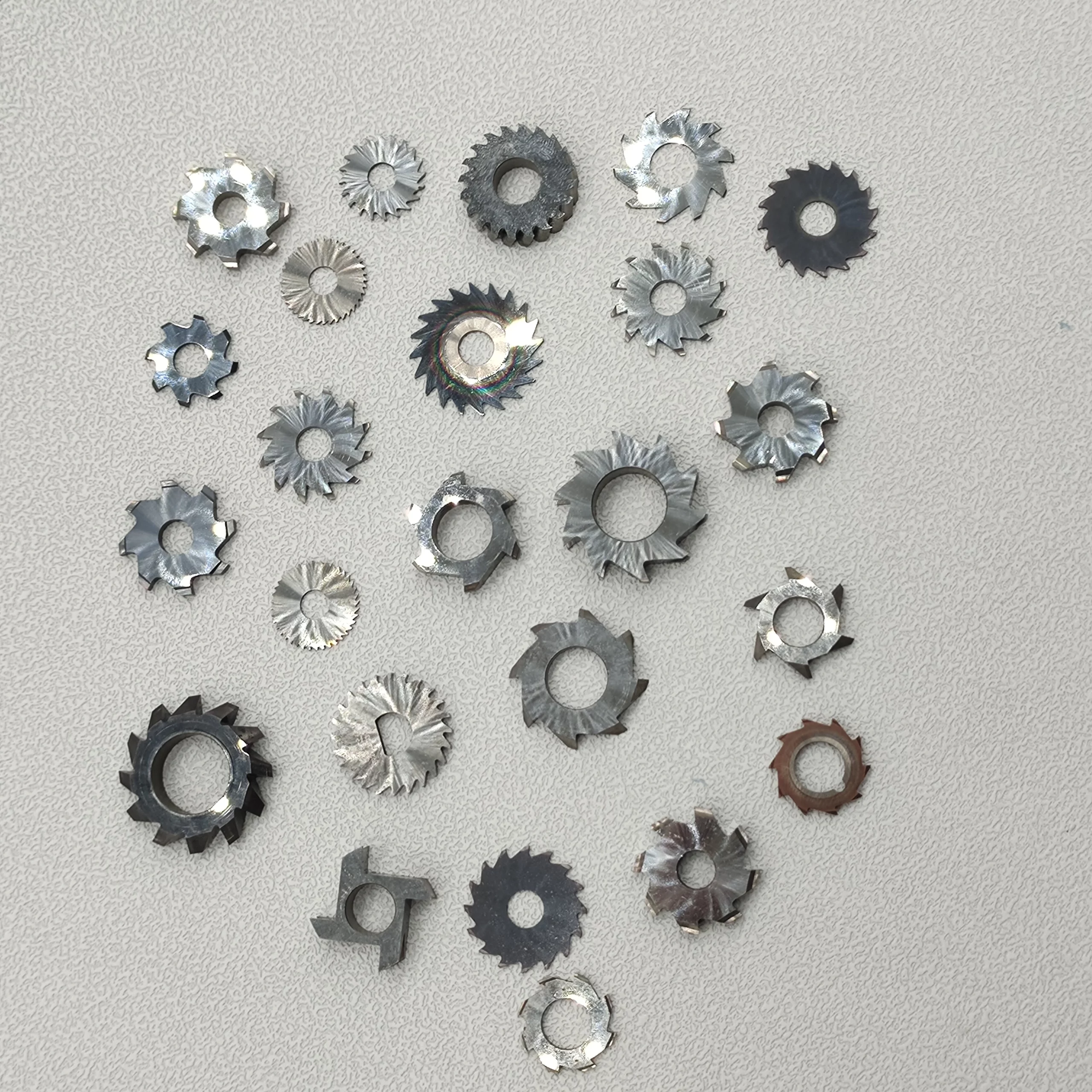
Key Techniques in Metal Processing
1. Cutting
Cutting is one of the most basic and essential techniques in metal processing. Various methods, such as sawing, shearing, and laser cutting, allow manufacturers to achieve precise measurements and intricate designs. For instance, laser cutting has become increasingly popular due to its ability to create complex shapes with high accuracy. This technique dramatically reduces material waste since it can cut metal sheets to the exact size needed for production.
2. Machining
Machining is another vital technique that involves removing material from a workpiece to achieve desired dimensions and surface finishes. This process can take place through methods like turning, milling, and grinding. For example, CNC (computer numerical control) machining provides unmatched precision and repeatability, perfect for industries such as aerospace and medical device manufacturing. With CNC machining, businesses can produce highly complex parts with consistent quality, making it an attractive option for companies looking to improve their production processes.
3. Forming
Forming techniques shape metals without removing material. Processes such as bending, stretching, and stamping are commonly used in manufacturing. For example, automotive manufacturers use metal stamping to create parts like body panels. This technique is highly efficient, allowing for mass production while maintaining quality standards. Ultimately, forming methods can lead to cost savings by minimizing waste and reducing the need for secondary processes.
4. Joining
Joining techniques bring together different metal components, creating strong and durable products. Common techniques include welding, brazing, and soldering. Businesses often choose welding for its strength and durability, particularly in construction and infrastructure projects. For instance, structural steel is often welded together to create buildings and bridges that can withstand heavy loads. By utilizing effective joining techniques, manufacturers can produce robust assemblies that meet safety and performance standards.
5. Surface Treatment
Surface treatment is crucial for enhancing the durability and performance of metal products. Techniques such as coating, plating, and anodizing not only improve aesthetics but also protect against corrosion and wear. Many industries benefit from surface treatment; for example, automotive components often undergo treatments to resist rust and enhance appearance. Additionally, surface treatments can improve the lifespan of products, reducing the need for replacements and ultimately saving money.

Benefits of Effective Metal Processing
The techniques used in metal processing yield numerous benefits for manufacturers and consumers alike. When implemented correctly, these methods can lead to increased productivity, reduced production costs, and higher-quality products. For instance, by adopting laser cutting technology, a manufacturer can significantly decrease the time needed to prepare metal sheets for production, thus speeding up the overall manufacturing process and increasing output.
Moreover, efficient metal processing techniques allow businesses to respond quickly to market demands. For example, if there is a sudden increase in demand for specific automotive parts, a company that utilizes CNC machining can adjust its output accordingly without compromising product quality.
Áreas de aplicación
Metal processing techniques are employed across multiple industries. In construction, for instance, efficient cutting and jointing techniques ensure that buildings and infrastructures are robust and can withstand diverse conditions. In the automotive industry, manufacturers leverage forming and surface treatment methods to match stringent safety and aesthetic requirements.
Aerospace is another area where metal processing plays a critical role. Parts that serve a function in an aircraft must be lightweight, strong, and resistant to fatigue. Precision machining and surface treatment ensure that components meet these demanding criteria.
Conclusion: Embracing the Future of Metal Processing
In summary, the world of metal processing encompasses a range of techniques that foster efficiency, precision, and quality in manufacturing. From cutting and machining to forming and joining, these methods hold immense potential for industries looking to innovate and maintain competitiveness. As businesses continue to understand the benefits of adopting these processes, they also open doors to exploring new possibilities in various applications.
By considering the advantages of efficient metal processing techniques, manufacturers can not only optimize their production but also enhance product longevity, meet customer demands, and create a positive impact in their respective markets. Ultimately, the key to success lies in embracing these techniques and adapting them to the needs of the modern manufacturing landscape.
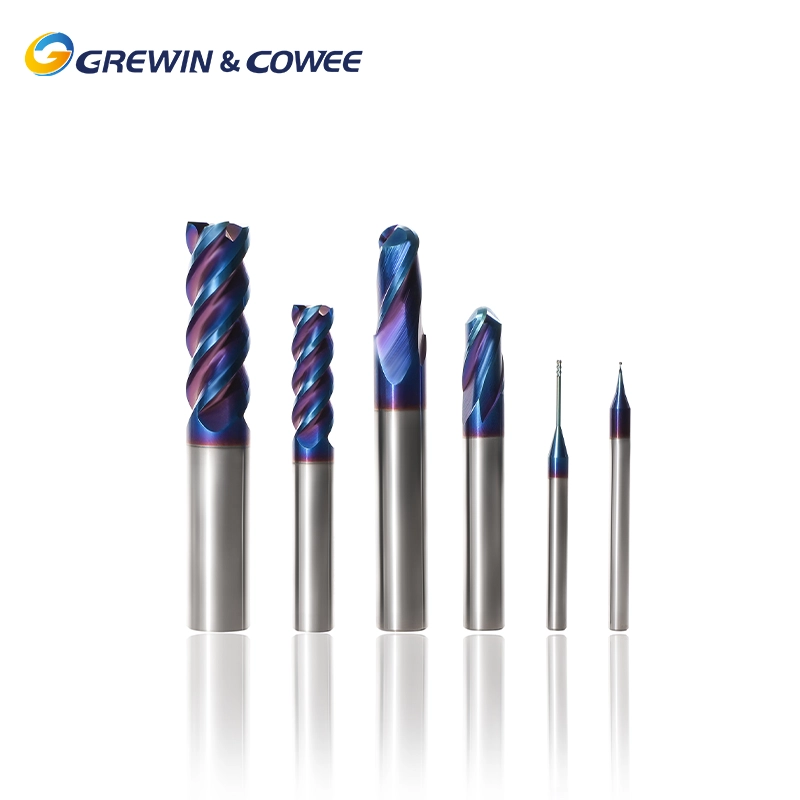
Get Technical Data & Expert Advice:
- Download specs & technical guides: www.grewintools.com or www.gwcarbide.com
- For Russian customers: www.grewintools.ru
- Connect directly for samples or consultation:
- Contact: Lydia Choo
- WhatsApp: +86-18673327292
- Email: info@gwcarbide.com
- Additional product lines: www.coweecarbide.com
 Spanish
  English
  Chinese
  German
  French
  Portuguese
  Turkish
  Russian
  Polish