
In the world of precision machining, the quest for efficiency and accuracy has always propelled innovation. One of the pivotal developments in this field is the advent of insertos de torneado. These small yet powerful tools have transformed the landscape of machining, enabling manufacturers to achieve exceptional results in various applications. By examining how turning inserts work, their benefits, and their areas of application, we can understand why they have become an essential component in the machining industry.
Comprender las plaquitas de torneado
Turning inserts are cutting tools used in lathes or turning machines to shape and refine materials. These inserts are typically made from hard materials like carbide or ceramic, which enhance their durability and cutting efficiency. What distinguishes insertos de torneado from traditional cutting tools is their replaceable nature. Instead of changing the entire tool when it wears down, operators can simply replace the insert, minimizing downtime and increasing productivity. This feature alone makes them a favorite among machinists.
For instance, consider a manufacturing plant that specializes in creating automotive components. In this facility, a lathe equipped with insertos de torneado can switch seamlessly between different operations, such as facing, turning, and grooving. When the insert starts to wear down during a long batch production run, the operator can replace it quickly while the machine continues to run. This capability not only saves time but also ensures that the quality of the finished products remains high, as consistent cutting performance is maintained.
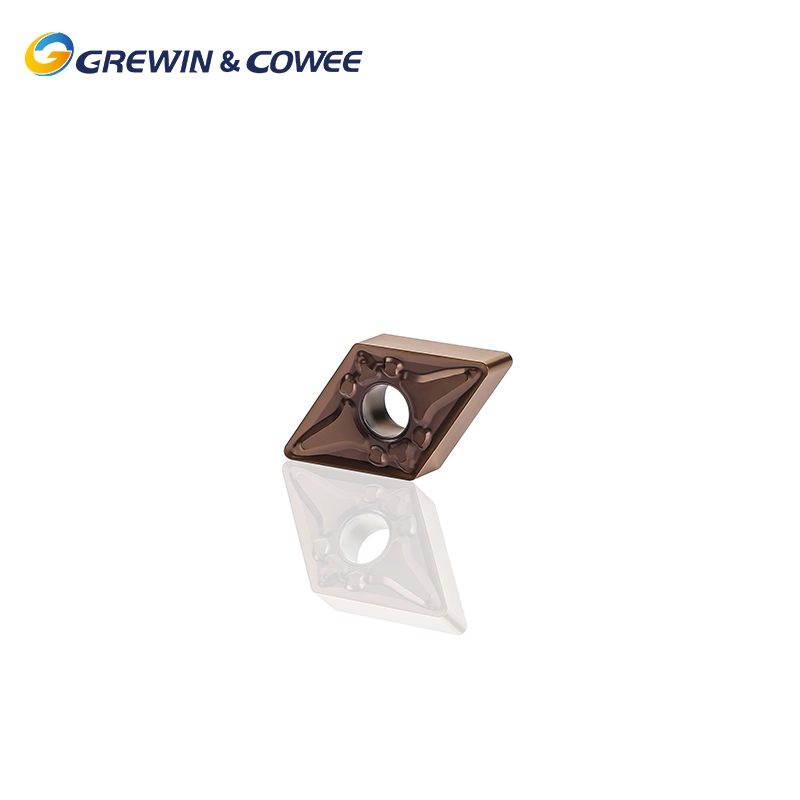
Benefits of Turning Inserts
One of the primary advantages of insertos de torneado is their impact on productivity. By allowing for rapid tool changes and reducing idle time, they significantly improve workflow. Machinists can complete tasks faster without sacrificing precision, which is especially critical in industries where every second counts.
Además, insertos de torneado offer superior wear resistance compared to traditional cutting tools, meaning they can withstand higher temperatures and pressures during machining processes. This durability translates to fewer replacements and lower overall tool costs. For example, a workshop utilizing high-speed steel cutters may find that they need to replace these tools frequently, leading to increased operational costs. In contrast, insertos de torneado can last longer under similar conditions, yielding better value over time.
Además, insertos de torneado provide versatility. They come in various shapes, sizes, and coatings, making them suitable for different materials and cutting tasks. Whether machining soft materials like aluminum or harder substances like stainless steel, there is a turning insert designed to handle the specific requirements of each job. This adaptability makes them an indispensable asset in mixed-material environments, where a variety of components are processed.
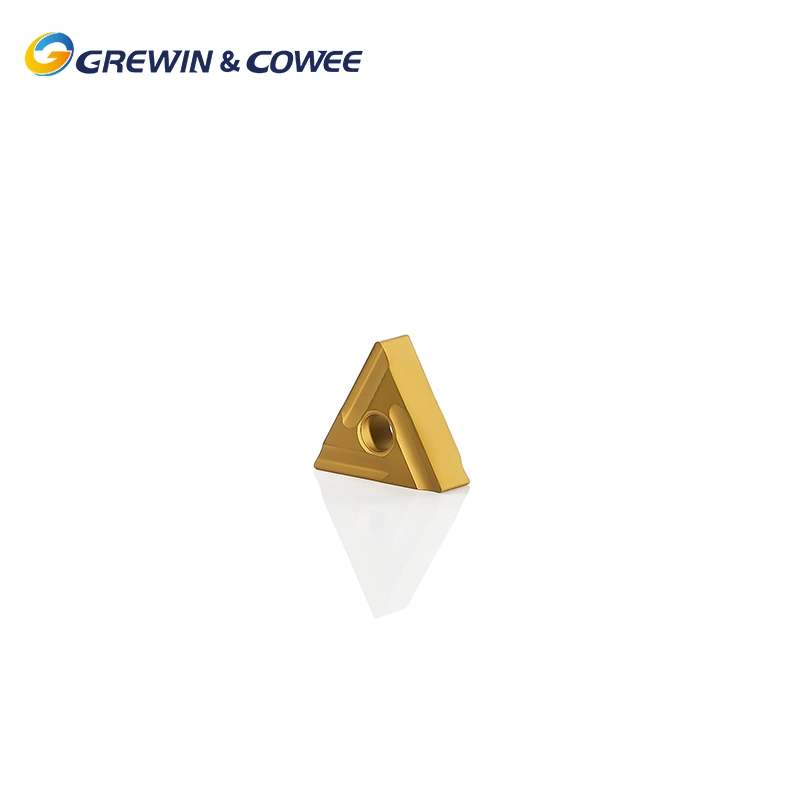
Applications of Turning Inserts
Turning inserts are particularly beneficial in numerous industries, including automotive, aerospace, and manufacturing. Within the automotive sector, precision is paramount, as even a minor defect can lead to costly recalls. Using advanced turning inserts enables manufacturers to maintain the tight tolerances required for high-quality components like engine blocks and transmissions.
In aerospace, the stakes are even higher. Components must meet rigorous safety and performance standards. For instance, manufacturers using turning inserts can create intricate parts with complex geometries needed for aircraft engines. The ability to achieve precise cuts and finishes means that these parts can be made lighter, enhancing overall fuel efficiency while maintaining strength.
Another application area for turning inserts is medical device manufacturing. Precision is critical as devices often require exact dimensions for proper functionality. Machining implants, surgical instruments, and diagnostic devices with turning inserts ensures not only accuracy but also reliability. The ability to produce high-quality parts consistently can significantly affect patient outcomes, emphasizing the necessity of utilizing advanced machining tools.
How to Choose the Right Turning Inserts
Given the variety of turning inserts available, selecting the right one can be overwhelming. Customers often seek guidance on factors like material type, coating, and geometry. It’s essential to consider the specific requirements of the machining process. For example, when machining softer materials, a sharp-edged insert may be more beneficial, whereas tougher materials might require inserts with reinforced tips.
Coatings also play a crucial role in performance. Inserts coated with titanium nitride, for example, can enhance hardness and reduce friction, leading to longer tool life. Similarly, customers should consider the insert’s geometry: a chip-breaker design can dramatically improve chip flow and reduce the risk of damaging the workpiece.
Another factor to keep in mind is the manufacturer’s reputation. Companies that invest in research and development to produce high-quality turning inserts will likely provide better performance and support compared to lesser-known brands. Reading reviews and seeking recommendations can help buyers make informed choices that align with their machining needs.

Conclusión
Turning inserts have undeniably revolutionized precision machining techniques, offering unmatched benefits in productivity, durability, and versatility. Their ability to adapt to various applications has made them a staple in industries such as automotive, aerospace, and healthcare. As technology continues to evolve, the role of turning inserts in achieving high-quality, efficient machining will only grow. Manufacturers who leverage these tools effectively will find themselves ahead of the competition, benefiting from both improved quality and reduced costs.
In summary, when considering tools for precision machining, turning inserts stand out as a superior choice. By understanding their advantages and applications, customers can make informed decisions that enhance their operations. The effectiveness of turning inserts makes them a fundamental element in the pursuit of excellence in machining. Thus, investing in turning inserts is not just a practical choice; it’s a strategic move towards greater operational success.
Get Technical Data & Expert Advice:
- Download specs & technical guides: www.grewintools.com or www.gwcarbide.com
- For Russian customers: www.grewintools.ru
- Connect directly for samples or consultation:
- Contact: Lydia Choo
- WhatsApp: +86-18673327292
- Email: info@gwcarbide.com
- Additional product lines: www.coweecarbide.com
 Spanish
  English
  Chinese
  German
  French
  Portuguese
  Turkish
  Russian
  Polish