
When it comes to machining and manufacturing, the tools you choose can dramatically impact efficiency and quality. One essential tool in this realm is the carbide end mill. Understanding the benefits, applications, and best practices for using carbide end mills can significantly enhance your projects, whether you are a hobbyist or a professional machinist.
What is a Carbide End Mill?
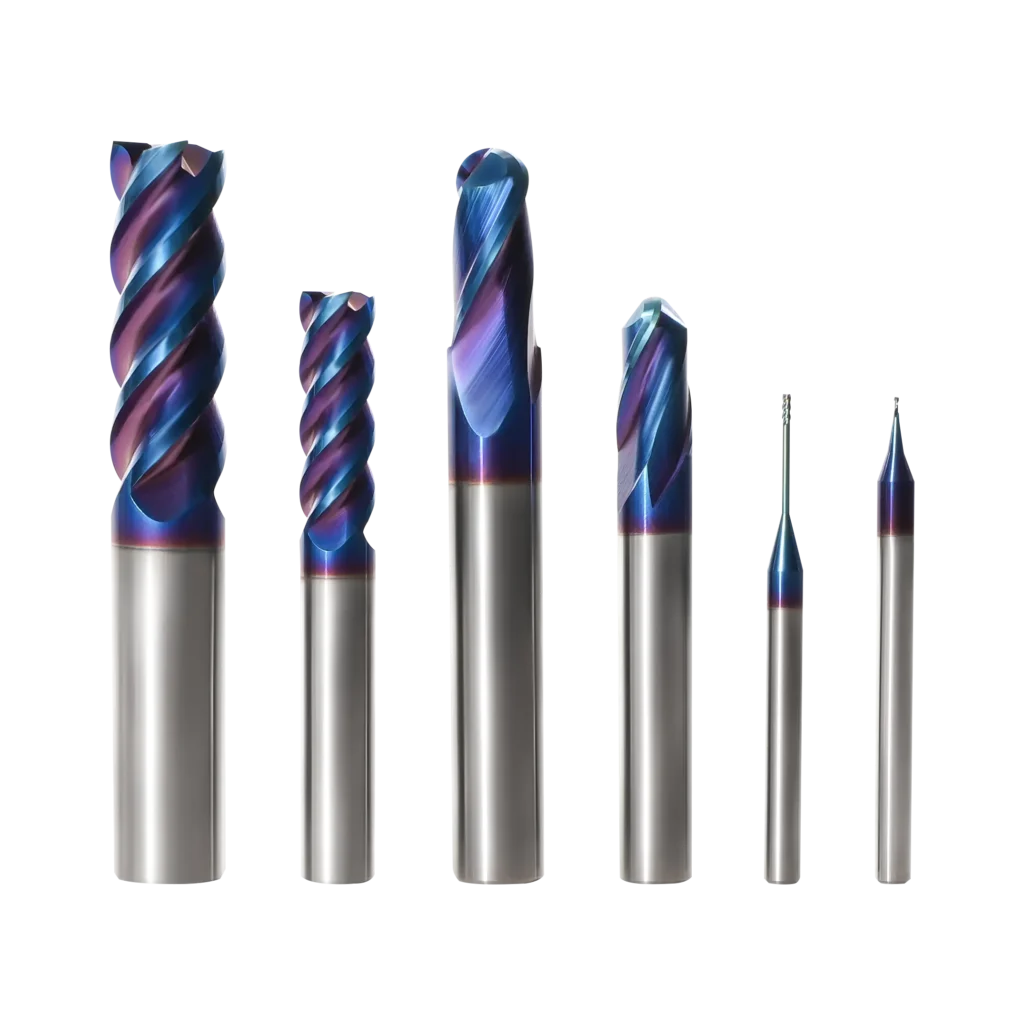
A carbide end mill is a cutting tool made from tungsten carbide, known for its hardness and durability. This material gives carbide end mills a distinct advantage over other types of end mills, such as high-speed steel (HSS). The high abrasion resistance and heat resistance of tungsten carbide allow these end mills to perform exceptionally well, particularly in challenging machining environments.
In applications ranging from automotive to aerospace, the use of carbide end mills has become a standard due to their ability to maintain sharp cutting edges even under intense use. But besides the technical specifications, what does this mean for the end-user?
Benefits of Using Carbide End Mills
Durabilité améliorée
One of the most significant benefits of carbide end mills is their durability. Unlike HSS tools that might dull quickly, carbide end mills maintain their cutting edges much longer. For instance, consider a company that specializes in intricate metallic parts for machinery. By switching to carbide end mills, they noticed that their production efficiency improved as they spent less time sharpening or replacing dull tools. This durability translates to less downtime and increased productivity, which is crucial in competitive manufacturing environments.
Improved Cutting Performance
Another key benefit is the performance during cutting. Carbide end mills can handle higher cutting speeds and feeds compared to their HSS counterparts, enabling faster machining processes. For example, in a high-speed machining setting, a shop may utilize carbide end mills to achieve speeds of up to 300% greater than traditional milling tools. This capability is particularly beneficial in industries where speed-to-market is critical, such as electronics and consumer goods.
Applications polyvalentes
Carbide end mills are suitable for a wide variety of applications. They can be used for milling various materials, from soft plastics to hard metals such as titanium or stainless steel. A practical illustration of this versatility can be found in the aerospace industry, where engineers utilize carbide end mills not only for machining aluminum but also for producing complex parts from high-temperature alloys. This adaptability is a key reason why professionals favor carbide end mills over other options.
Rentabilité
While carbide end mills may come with a higher upfront cost than HSS tools, many users find them to be more economical in the long run. The longevity and efficiency offered by carbide helps to reduce the frequency of tool replacements. A small manufacturing firm determined that switching to carbide end mills led to a 20% reduction in overall tool costs over a year, despite the higher initial investment.

Application Areas for Carbide End Mills
Industrie aérospaciale
Carbide end mills have carved a niche in the aerospace industry. Due to their ability to withstand high temperatures and maintain sharpness, they are ideal for milling hard alloys like Inconel and titanium, often used in aircraft components. In a sector where safety and precision are paramount, the reliability of carbide end mills ensures that parts can be produced with minimal risk of failure.
Fabrication automobile
In automotive manufacturing, efficiency is crucial. Carbide end mills are employed to create complex engine components, transmission housings, and chassis fixtures. Their capability to operate at higher speeds not only quickens production time but also enhances the quality of the finished product. For instance, when a large automotive supplier integrated carbide end mills into their workflow, they noted an increase in production line efficiency by over 30%, leading to significant cost savings.
Medical Device Manufacturing
The medical device industry often demands precise, high-quality parts that meet strict regulatory standards. Carbide end mills are used to craft components like surgical tools and implants. These tools provide the necessary precision and surface finish while maintaining the integrity of hard-to-machine materials. A medical equipment company that switched to carbide end mills experienced improved dimensional accuracy, leading to fewer reworks and a more streamlined certification process.
Woodworking and Composites
Beyond metals, carbide end mills also excel in woodworking and composites. Their sharpness allows manufacturers to achieve clean cuts in materials such as plywood and MDF. In a recent case, a woodworking shop discovered that using carbide end mills resulted in cleaner edges and reduced splintering, enhancing the overall appearance of their final products. This attention to detail not only satisfied customer expectations but also reduced finishing time.

Best Practices When Using Carbide End Mills
To maximize the benefits of carbide end mills, it’s essential to implement best practices:
1.Proper Speed and Feed Rates: Using the correct speed and feed rates is vital to the longevity of carbide end mills. Refer to manufacturer guidelines to avoid premature wear or breakage.
2.Tool Geometry: Selecting end mills with the appropriate geometry for the task at hand can greatly affect performance. Consider options like spiral flute designs for specific applications.
3.Regular Maintenance: Keeping your machinery in good condition will ensure your carbide end mills perform at their best. Regular checks and balances can prevent minor issues from becoming major problems.
4.Proper Coolant Usage: Using coolant appropriately helps manage heat and prolongs the life of your carbide end mills, especially during intensive machining operations.
Conclusion
In summary, carbide end mills play an invaluable role in modern machining and manufacturing across various industries. Their exceptional durability, cutting performance, and versatility make them a worthy investment for anyone serious about enhancing their machining capabilities. Whether you are creating intricate aerospace parts or crafting furniture, understanding the benefits and applications of carbide end mills can lead to improved outcomes. As industries continue to evolve, the importance of using quality tools will remain a key factor in achieving success.
With their myriad benefits and applications, carbide end mills stand out as indispensable tools in the machining landscape. Investing in this cutting tool not only enhances productivity but also fortifies the quality of the finished product, making it an essential addition to any toolkit. Whether you’re a novice or a seasoned professional, understanding carbide end mills can provide you with the edge needed to take your projects to new heights.
Get Technical Data & Expert Advice:
- Download specs & technical guides: www.grewintools.com or www.gwcarbide.com
- For Russian customers: www.grewintools.ru
- Connect directly for samples or consultation:
- Contact: Lydia Choo
- WhatsApp: +86-18673327292
- Email: info@gwcarbide.com
- Additional product lines: www.coweecarbide.com
 French
 English
 Chinese
 German
 Portuguese
 Spanish
 Turkish
 Russian
 Polish