
When it comes to metalworking, the tools you choose can significantly affect the quality and efficiency of your projects. Among these tools, metal processing lames de scie au carbure stand out as essential components, known for their durability and precision. Whether you are a seasoned professional or a DIY enthusiast, understanding how to choose the right lames de scie au carbure can take your metal processing tasks to the next level. This article will guide you through the crucial aspects to consider when making your selection.
Understanding Metal Processing Carbide Saw Blades
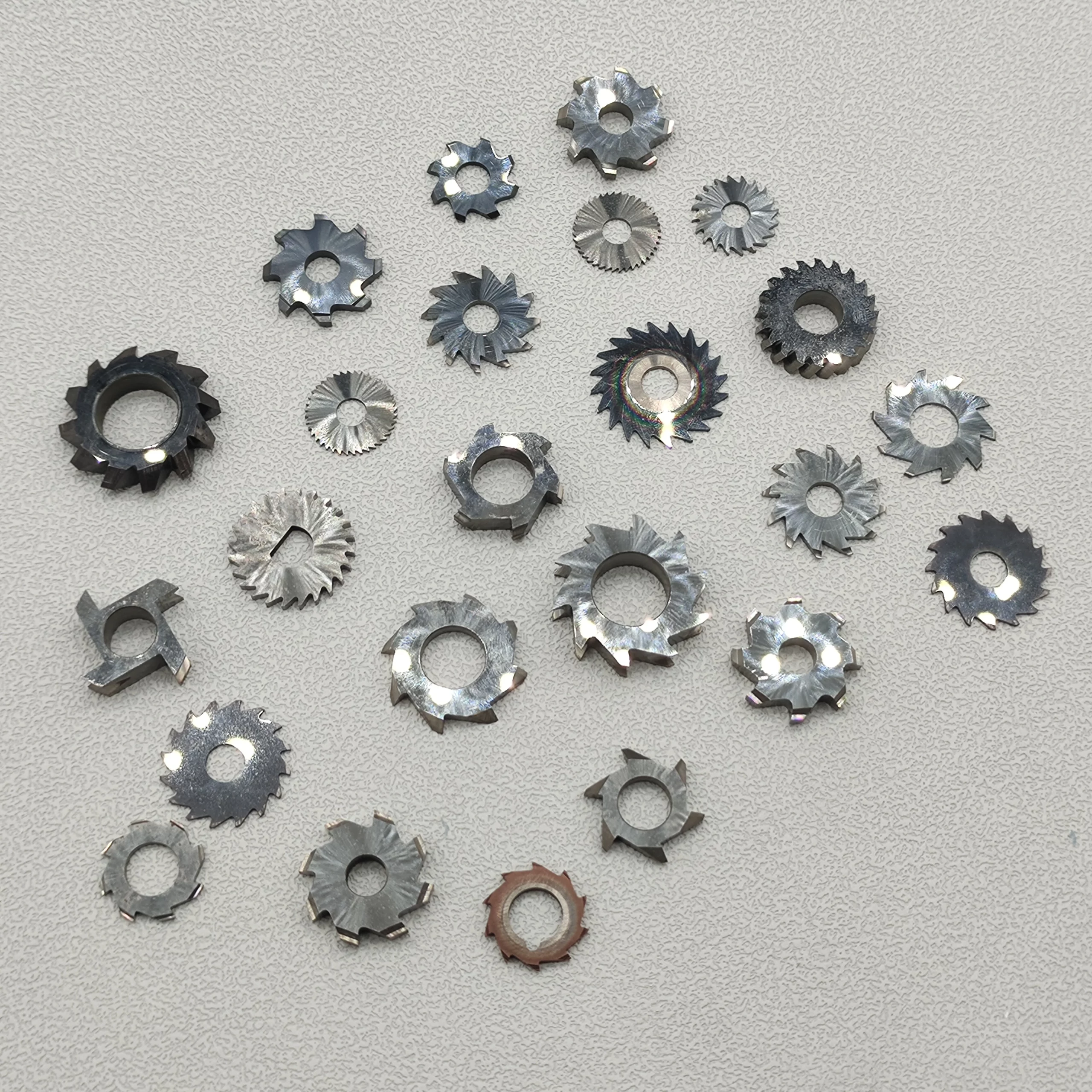
Metal processing lames de scie au carbure are specially designed blades featuring carbide tips, which are known for their hardness and resistance to wear. These blades are specifically engineered to cut through various types of metals, including aluminum, stainless steel, and even harder alloys. Their ability to withstand high temperatures and maintain sharpness over extended use makes them a popular choice in industries ranging from construction to automotive.
Key Features to Look For
1. Blade Material
The material of the blade is perhaps the most crucial factor to consider. Carbide-tipped blades are made from tungsten carbide, giving them exceptional strength and longevity compared to steel alternatives. For example, if you are working with harder metals like stainless steel, a carbide blade is far superior to a standard steel blade because it won’t dull as quickly.
2. Tooth Configuration
The configuration of the teeth on the blade plays a vital role in determining the type of cut it will make. Blades can have variations in tooth count and shape. For instance, a blade with fewer teeth will provide a faster cut and may be ideal for rough cutting applications, while a blade with more teeth offers finer finishes. When cutting aluminum, a blade with a high tooth count and specific tooth angles can produce smoother finishes and reduce burr formation.
3. Blade Diameter
The diameter of the lames de scie au carbure is another important consideration. A larger diameter blade can make deeper cuts, which is beneficial for thicker materials. Conversely, smaller diameter blades can maneuver around tighter corners and curves. For instance, a 10-inch blade might be perfect for cutting through thick metal sheets quickly, while a 7-inch blade would be better suited for detailed work in tighter spots.
4. RPM and Cutting Speed
Different blades are rated for different speeds, measured in revolutions per minute (RPM). It is essential to match the blade’s RPM rating with your saw’s maximum running speed. For heavy-duty applications, blades designed for higher RPM are necessary to achieve optimal cutting performance without damaging the blade or the equipment.
Application Areas of Metal Processing Carbide Saw Blades
Automotive Industry
In the automotive industry, precision and speed are paramount. Carbide saw blades are used for cutting through various materials, including aluminum and high-strength steel used in vehicle frames. The Toyota Supra, for example, uses aluminum reinforcement to reduce weight, which means that automotive technicians rely heavily on dependable lames de scie au carbure for efficient repairs and modifications.
Construction and Fabrication
Metal processing lames de scie au carbure find extensive application in construction and metal fabrication. Contractors often use these blades for cutting rebar or structural steel. One common scenario involves using a carbide blade to cut through thick rebar quickly without worrying about blade dulling or frequent replacements, thus saving time and enhancing productivity.
DIY Projects
Even hobbyists and DIY enthusiasts can benefit from using metal processing lames de scie au carbure. Suppose you’re crafting a metal sculpture or building furniture with metal elements. In that case, having the right carbide blade can make the difference between a smooth, clean cut and a jagged, rough edge that detracts from the final product. A 7- or 10-inch carbide saw blade can help you achieve accurate, precise cuts that elevate your craft.
Rentabilité et longévité
It’s essential to consider the cost-effectiveness of investing in metal processing carbide saw blades. Although these blades may come at a higher initial price point compared to conventional saw blades, their longevity and performance often justify the expense. A carbide blade can cut through thousands of inches of metal without significant wear, meaning fewer purchases over time and enhanced productivity.
For example, a construction firm might initially invest in a premium carbide saw blade, but the savings on time and replacements can lead to a significant return on investment. As durability is emphasized, workers can also focus on completing their tasks efficiently rather than frequently replacing blades.
Conclusion
Choosing the right metal processing carbide saw blades is a critical step towards achieving effective and high-quality metalwork. By understanding the various features, specifications, and applications of these blades, you can make informed decisions that will benefit your projects. Remember to consider the material, tooth configuration, diameter, and RPM ratings when selecting a blade. Their benefits, such as longevity and performance, across fields like automotive, construction, and DIY, prove just how indispensable they are.
As you’ve learned, metal processing carbide saw blades are more than just tools; they are investments in quality craftsmanship. They empower craftsmen and professionals alike to create, innovate, and succeed in their projects. Making the right choice will lead to greater efficiency, effectiveness, and satisfaction in every cut you make. So next time you are equipped for a project, remember the crucial role of metal processing carbide saw blades in ensuring precision and quality.
Get Technical Data & Expert Advice:
- Download specs & technical guides: www.grewintools.com or www.gwcarbide.com
- For Russian customers: www.grewintools.ru
- Connect directly for samples or consultation:
- Contact: Lydia Choo
- WhatsApp: +86-18673327292
- Email: info@gwcarbide.com
- Additional product lines: www.coweecarbide.com
 French
 English
 Chinese
 German
 Portuguese
 Spanish
 Turkish
 Russian
 Polish