
When it comes to machining copper, choosing the right tools is essential for achieving high-quality finishes and precise dimensions. Among various tools available, the fraise en bout pour le cuivre stands out as a versatile and efficient option. This article provides a comprehensive overview of the features, benefits, and applications of end mills specifically designed for copper machining.
Understanding the End Mill
Before diving into the specific benefits of the end mill for copper, it’s crucial to understand what an end mill is. An end mill is a cutting tool used in mills to create shapes, slots, and other intricate designs in various materials. Unlike drill bits, which only cut downwards, end mills can cut in various directions, offering greater flexibility.
When working with copper, selecting the appropriate end mill can significantly impact your machining results. Copper’s unique properties, such as its malleability and thermal conductivity, require specialized end mills that can withstand these characteristics without compromising performance.
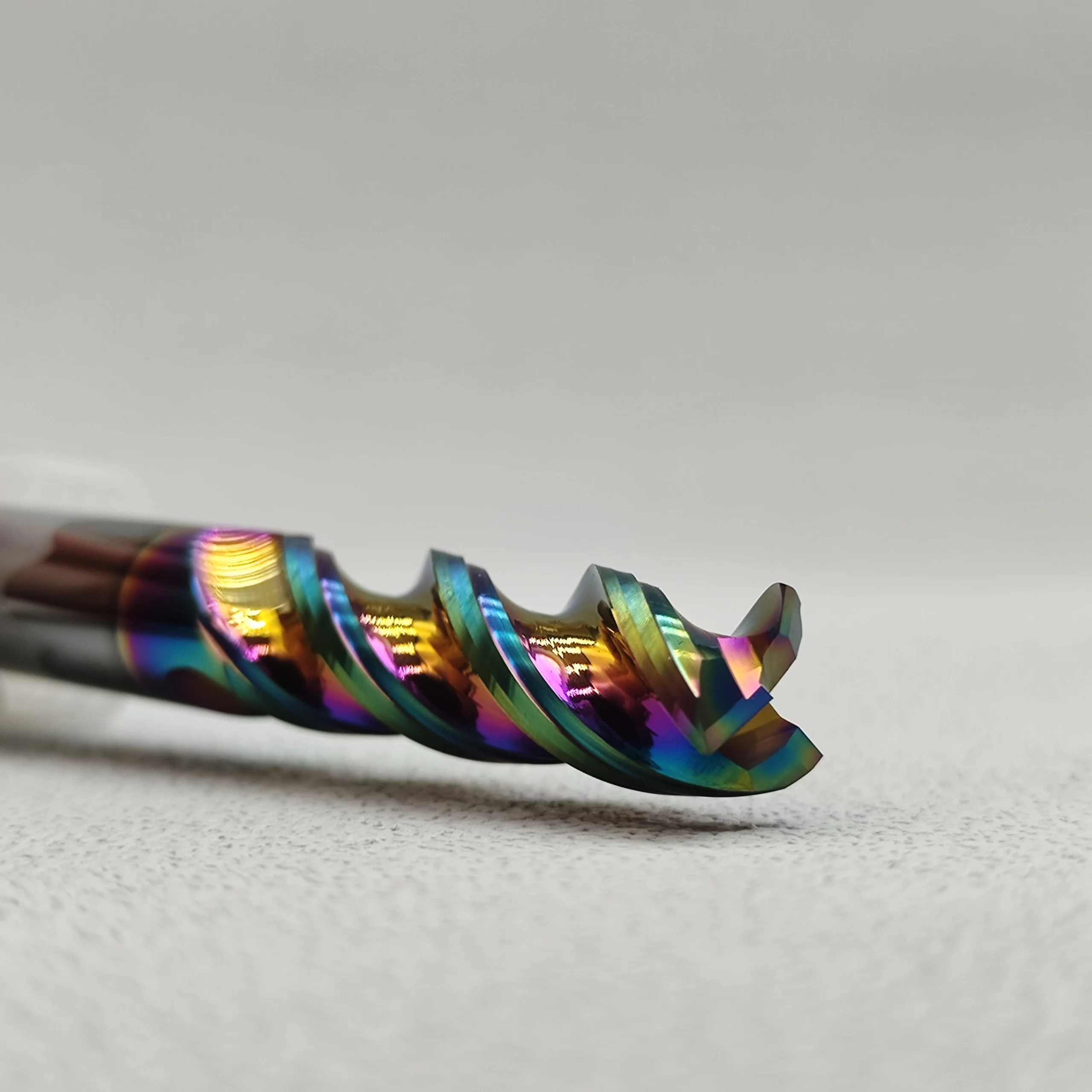
Key Benefits of End Mills for Copper
1. Précision améliorée
One of the primary benefits of using an end mill for copper is its ability to deliver high precision. The design of end mills allows for fine detail work, making them ideal for applications such as creating intricate patterns or complicated geometries in copper components. For example, if you’re manufacturing tiny electrical connectors, having an end mill that can cut with such precision ensures that each component fits perfectly, reducing the need for costly rework.
2. Excellent Surface Finishes
Copper is often used in applications where aesthetics and surface quality are important. End mills designed specifically for machining copper can produce smoother finishes compared to traditional cutting tools. This is particularly beneficial in industries like electronics, where visible parts require a polished look. An end mill for copper will help minimize the roughness of the surface, making the final product not only more appealing but also improving its performance against various stresses.
3. Polyvalence dans l'application
The versatility of the end mill for copper extends beyond just one type of task. It can be used in a variety of applications, from milling flat surfaces and slots to complex three-dimensional shapes. For example, if you’re working in the automotive industry, an end mill for copper can easily mill components for electrical wiring harnesses, which often include copper connectors and terminals.
4. Durabilité et longévité
Investing in a high-quality end mill specifically designed for copper can lead to a longer tool life. The right carbide material, coating, and geometry can withstand the challenges posed by copper’s softness and heat conduction ability. This durability means fewer tool changes, reduced downtime, and ultimately, cost savings. Imagine the efficiency in a machine shop where using an end mill for copper allows workers to focus more on production rather than constant tool replacements.
5. Rentabilité
While some may hesitate at first about the cost of purchasing specialized tools, an end mill for copper can actually be very cost-effective over time. Due to their durability and precision, they can reduce operational costs by improving productivity and lowering wastage. When these end mills perform their task efficiently, the time saved translates directly to cost savings in the production process.
Using End Mills for Copper: Best Practices
While end mills for copper offer numerous benefits, proper usage is still essential. Use the following best practices to maximize their effectiveness:
1.Choose the Right Cutting Speed: Copper requires specific speeds to optimize performance. If you run too fast, you risk overheating the tool and damaging both the end mill and the workpiece. Conversely, too slow a speed might lead to excessive chipping.
2.Select the Appropriate Feed Rates: Feed rates are crucial when machining copper. Too high of a feed rate can lead to tool wear, while too low can reduce efficiency. Strike the right balance by testing different feeds until you find the optimal rate for your application.
3.Use Proper Coolants: To maintain tool life and improve the finish, consider using coolant during machining. This is especially important when working with copper, as it helps dissipate heat and remove chips from the cutting zone, ensuring smooth operation.
4.Inspect Your Tools Regularly: Regular inspections help identify any wear or damage on the end mill. Addressing these before they become severe can extend tool life and guarantee consistent output quality.
Applications dans diverses industries
End mills for copper are utilized across a multitude of industries beyond automotive and electronics. They are fundamental in aerospace applications, where copper components are often relied upon for electrical systems. In telecommunications, they are used to manufacture connectors and circuit boards. Their adaptability makes them invaluable in situations where copper is the primary material employed.
Conclusion
In conclusion, the end mill for copper is an essential tool for any machinist working with copper materials. With benefits such as enhanced precision, excellent surface finishes, versatility, and cost-effectiveness, these specialized end mills not only contribute to superior product quality but also significantly impact efficiency and profitability. Investing in an end mill for copper is a strategic decision that can lead to better production outcomes and satisfied customers. As you consider your next machining project involving copper, remember the exceptional advantages that come with using an end mill specifically designed for this challenging yet rewarding material.
Get Technical Data & Expert Advice:
- Download specs & technical guides: www.grewintools.com or www.gwcarbide.com
- For Russian customers: www.grewintools.ru
- Connect directly for samples or consultation:
- Contact: Lydia Choo
- WhatsApp: +86-18673327292
- Email: info@gwcarbide.com
- Additional product lines: www.coweecarbide.com
 French
  English
  Chinese
  German
  Portuguese
  Spanish
  Turkish
  Russian
  Polish