
In the realm of metal machining, turning inserts specifically designed for stainless steel stand out as invaluable tools. They play a crucial role in improving machining efficiency and precision, thereby delivering superior results in various manufacturing applications. As industries continue to demand higher performance and longer-lasting components, understanding the benefits and applications of turning inserts for stainless steel becomes paramount.
Unveiling the Benefits of Turning Inserts
One of the primary advantages of turning inserts for stainless steel is their ability to improve cutting efficiency. Traditional cutting tools often struggle with stainless steel’s hard and tough nature. This calls for better materials and designs, which is where turning inserts shine. Made from advanced materials, these inserts offer enhanced durability and resistance. For instance, carbide-based turning inserts are commonly used for their ability to sustain high cutting temperatures without losing shape or sharpness.
Example: Consider a manufacturer of stainless steel components for the automotive industry. They face challenges like long production times and high tool wear when machining complex parts. By switching to high-performance turning inserts for stainless steel, they noticed a significant reduction in production time, as these inserts allow for faster cutting speeds without overheating. Consequently, they were able to meet production targets while maintaining the quality of their components.
Another benefit of these inserts is their precision. When working with stainless steel, maintaining a tight tolerance is critical. Turning inserts are engineered to provide a stable cutting edge and a consistent profile throughout the machining process. This precision reduces the likelihood of rework and ensures that parts fit together correctly.
Example: A company producing intricate fittings for medical devices experienced issues with maintaining tight tolerances using standard tools. After incorporating turning inserts for stainless steel, they achieved a significant decrease in dimensional deviations. This not only improved product quality but also enhanced their reputation for reliability in the medical field.
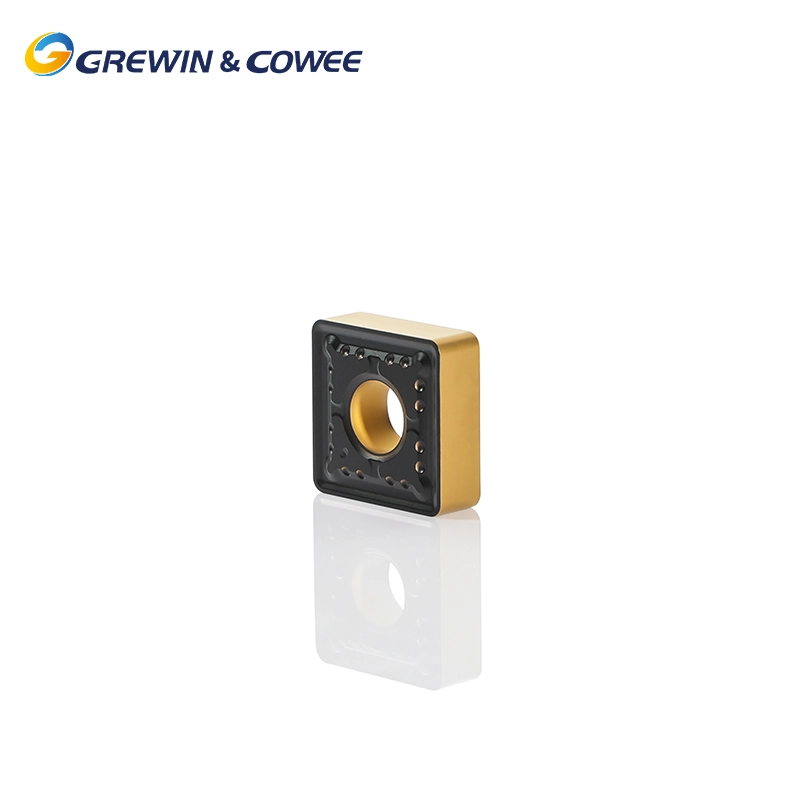
Key Applications of Turning Inserts for Stainless Steel
As diverse as the industries utilizing stainless steel are, the application areas for turning inserts are equally expansive. They find their usage in various sectors, including aerospace, automotive, medical, and manufacturing industries, where stainless steel components are critical for performance.
In the aerospace sector, where weight and strength are paramount, turning inserts for stainless steel are utilized to create lightweight components that can withstand high stress. These inserts facilitate the efficient machining of parts such as brackets and housings, which must adhere to rigorous safety standards.
Example: A renowned aerospace supplier employed turning inserts to enhance their machining of turbine components. The inserts allowed them to create complex geometries while maintaining structural integrity, ultimately contributing to the overall performance of the aircraft.
In the automotive industry, the demand for high-quality precision parts is ever-present. Here, turning inserts are used to produce various components, from engine parts to exhaust systems. The ability to withstand high temperatures and pressures makes turning inserts indispensable in this sector.
Example: An automotive manufacturer faced challenges with producing exhaust manifolds that required precise machining to ensure optimal engine performance. After switching to specific turning inserts for stainless steel, they observed a remarkable improvement in surface finish, leading to better engine efficiency and reduced emissions.
The medical device industry, known for its stringent quality demands, also benefits greatly from turning inserts for stainless steel. Precision and reliability are non-negotiable in this field, making these inserts crucial for producing surgical instruments and implants.
Example: A company specializing in hip replacement products leveraged turning inserts to manufacture components with complex profiles. The resulting accuracy and consistency allowed them to streamline production and ensure that parts could be interchanged seamlessly, a critical factor in surgical procedures.
Factors to Consider When Purchasing Turning Inserts
For customers looking to invest in turning inserts for stainless steel, certain factors should be prioritized to ensure optimal performance. First and foremost, the material of the insert matters. Inserts made from high-grade carbide or ceramic materials generally offer longer tool life, reducing overall costs over time.
Moreover, the coating of the insert also plays a significant role. Coatings such as titanium nitride (TiN) or titanium carbonitride (TiCN) can enhance the insert’s performance by increasing wear resistance and reducing friction. This leads to increased efficiency and superior surface finishes.
Finally, manufacturers should consider the geometry of the insert. The shape of the cutting edge can significantly influence the type of machining operation being performed. Inserts designed for specific purposes, like roughing or finishing, are available, making it essential to choose the right geometry for the task at hand.
The Future of Turning Inserts for Stainless Steel
The machining industry is experiencing a rapid evolution as new materials and technologies emerge. Turning inserts for stainless steel are at the forefront of this innovation, with advancements in coatings, materials, and geometries continually enhancing their performance. Future developments may include smart inserts that provide real-time data on wear and performance, enabling users to optimize machining processes like never before.
In conclusion, turning inserts for stainless steel are critical tools in modern machining, significantly enhancing efficiency and precision across various applications. Their unique benefits—ranging from improved cutting performance to the ability to maintain tight tolerances—make them an essential investment for manufacturers in numerous sectors, including automotive, aerospace, and medical. As industries continue to evolve, the importance of these inserts will only grow, driving innovation and enhancing productivity on production floors worldwide. Therefore, when selecting turning inserts for stainless steel, it is vital to consider factors like material, coating, and geometry to ensure the best possible outcomes in your machining operations.
Get Technical Data & Expert Advice:
- Download specs & technical guides: www.grewintools.com or www.gwcarbide.com
- For Russian customers: www.grewintools.ru
- Connect directly for samples or consultation:
- Contact: Lydia Choo
- WhatsApp: +86-18673327292
- Email: info@gwcarbide.com
- Additional product lines: www.coweecarbide.com
 French
  English
  Chinese
  German
  Portuguese
  Spanish
  Turkish
  Russian
  Polish