
In the world of manufacturing and machining, precision is paramount. One tool that stands out for its ability to achieve this precision is the metal machining end mill. Understanding the advantages and applications of these tools can significantly enhance your productivity and the quality of your work. In this article, we will delve into what metal machining end mills are, their benefits, and where they can be applied.
Understanding Metal Machining End Mills
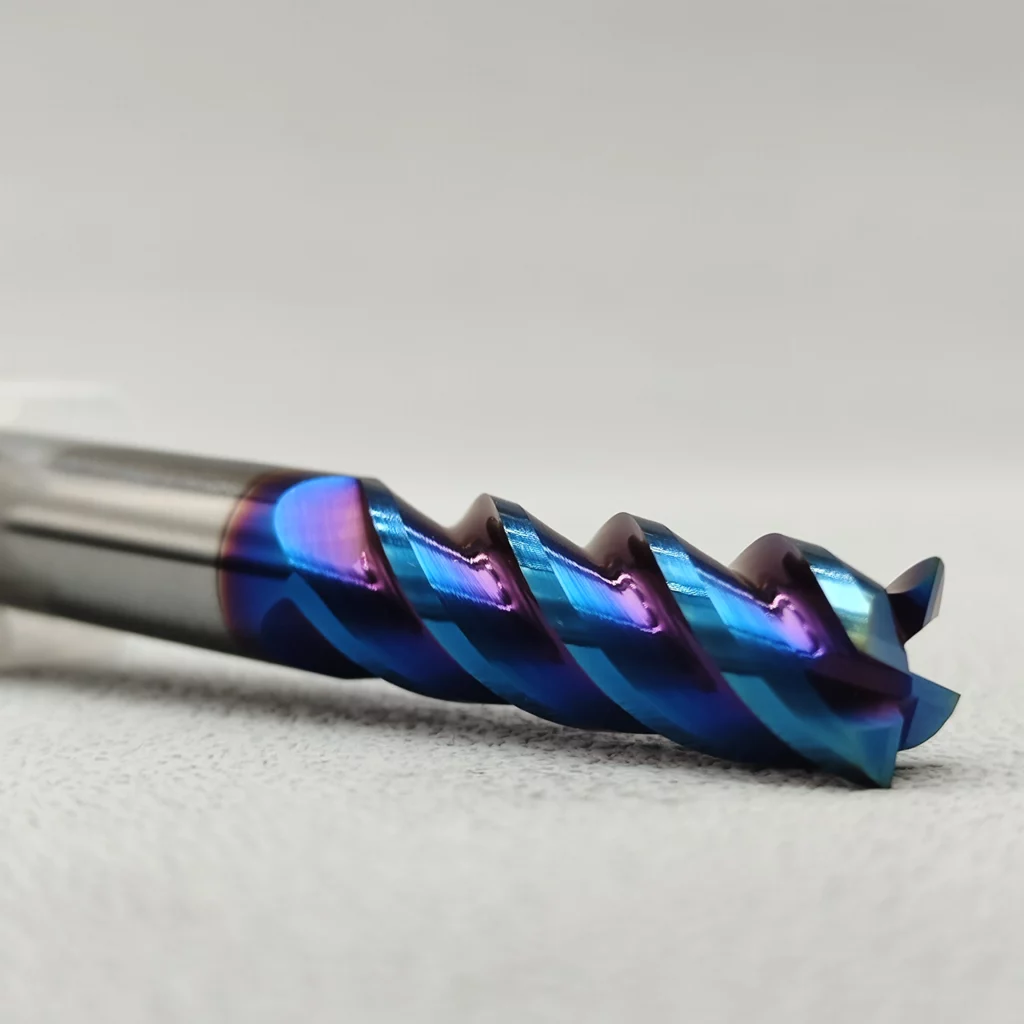
Metal machining end mills are cutting tools used primarily for milling operations. They have a cylindrical shape with cutting edges on their end and sides, allowing them to effectively remove material from a workpiece. Designed for smooth operation, these tools can perform various functions, including slotting, contouring, and drilling, making them versatile for many machining tasks.
For example, consider a manufacturing company that specializes in creating intricate components for the aerospace industry. When utilizing a metal machining end mill, they can achieve complex geometries with high precision, significantly reducing the likelihood of error and waste. This results in not just cost savings, but also enhances the quality of the final product.

Benefits of Using Metal Machining End Mills
1. Precision Cutting
One of the primary advantages of metal machining end mills is their ability to provide precision cuts. These tools are designed to maintain tight tolerances, which is essential for industries where accuracy is critical, such as automotive or aerospace. With a well-chosen end mill, manufacturers can create components that fit together seamlessly, eliminating the need for extensive post-machining work.
2. Versatility
Metal machining end mills come in various shapes, sizes, and materials, making them suitable for a wide range of applications. Whether you need to machine aluminum, steel, or titanium, there’s an end mill designed specifically for that purpose. For instance, high-speed steel (HSS) end mills are common for softer materials, while carbide end mills are often preferred for tougher metals due to their durability.
Imagine a workshop where different projects require different materials—using carbide end mills for tougher jobs and HSS end mills for softer jobs makes sense. This versatility not only streamlines production but also allows for flexibility in design and manufacturing processes.
3. Improved Surface Finish
Another significant benefit of using metal machining end mills is the improved surface finish they provide. A better surface finish reduces the need for additional finishing processes, saving time and reducing costs. For example, in the production of consumer electronics, where aesthetics are critical, achieving a smooth surface finish with an end mill can significantly enhance the overall appeal of the product.
4. Cost-Effectiveness
While the initial investment in quality metal machining end mills might be more significant, the long-term savings are undeniable. High-quality end mills can reduce cycle times and minimize tool wear, leading to lower operational costs over time. This cost-effectiveness is crucial for businesses aiming to improve their bottom line without compromising quality.
5. Ease of Use
Modern technology has made the use of metal machining end mills easier than ever. Many end mills are designed for compatibility with CNC machines, which allows for automated and repeatable operations. This ease of use can be a game changer for companies looking to increase productivity without requiring additional training for their workforce.
Application Areas for Metal Machining End Mills
Metal machining end mills are utilized in numerous sectors, reflecting their versatility and importance in manufacturing processes.
Aerospace Industry
In the aerospace sector, precision is a non-negotiable requirement. Metal machining end mills are used to manufacture parts that go into aircraft engines, fuselages, and various structural components. The ability to work with tough materials and achieve high precision makes these end mills invaluable.
Automotive Industry
In the automotive industry, end mills play a crucial role in producing engine components, transmission parts, and other critical elements. The durability and flexibility of metal machining end mills mean they can handle the diverse types of materials and designs required in modern vehicles.
Medical Device Manufacturing
The medical device industry relies heavily on precision machining, as the components often need to fit together with extreme accuracy. Metal machining end mills create intricate details in surgical instruments and implants, where even the smallest error can have grave consequences.
Electronics Manufacturing
As mentioned earlier, the electronics sector also benefits significantly from the use of metal machining end mills. The production of housings and other components that require a high-quality surface finish is an ideal application for these tools.
Conclusion
In summary, metal machining end mills are indispensable in the modern manufacturing landscape. Their precision, versatility, improved surface finish, cost-effectiveness, and ease of use make them a top choice for various industries, including aerospace, automotive, medical devices, and electronics.
As you consider your next machining project, think about the benefits that metal machining end mills can bring. Investing in quality end mills may enhance your operations, reduce costs, and ultimately lead to better product quality. Embrace the future of machining with metal machining end mills—your tools for precision cutting and manufacturing excellence.
Get Technical Data & Expert Advice:
- Download specs & technical guides: www.grewintools.com or www.gwcarbide.com
- For Russian customers: www.grewintools.ru
- Connect directly for samples or consultation:
- Contact: Lydia Choo
- WhatsApp: +86-18673327292
- Email: info@gwcarbide.com
- Additional product lines: www.coweecarbide.com
 English
  Chinese
  German
  French
  Portuguese
  Spanish
  Turkish
  Russian
  Polish