
High-Strength Carbide Rods: The Industrial Performance Multiplier
In today’s demanding industrial landscape, operational reliability directly impacts profitability. High-strength carbide rods have emerged as a transformative solution, delivering uncompromising performance where traditional materials consistently fall short. Engineered from advanced tungsten-carbide compositions, these specialized components redefine durability standards across manufacturing, energy, and heavy equipment sectors. Their ability to maintain structural integrity under simultaneous thermal, chemical, and mechanical stress makes them indispensable for mission-critical applications. This guide examines how these precision-engineered rods are becoming the cornerstone of modern industrial tooling strategies, enabling manufacturers to push performance boundaries while significantly reducing lifecycle costs.
Unmatched Material Properties
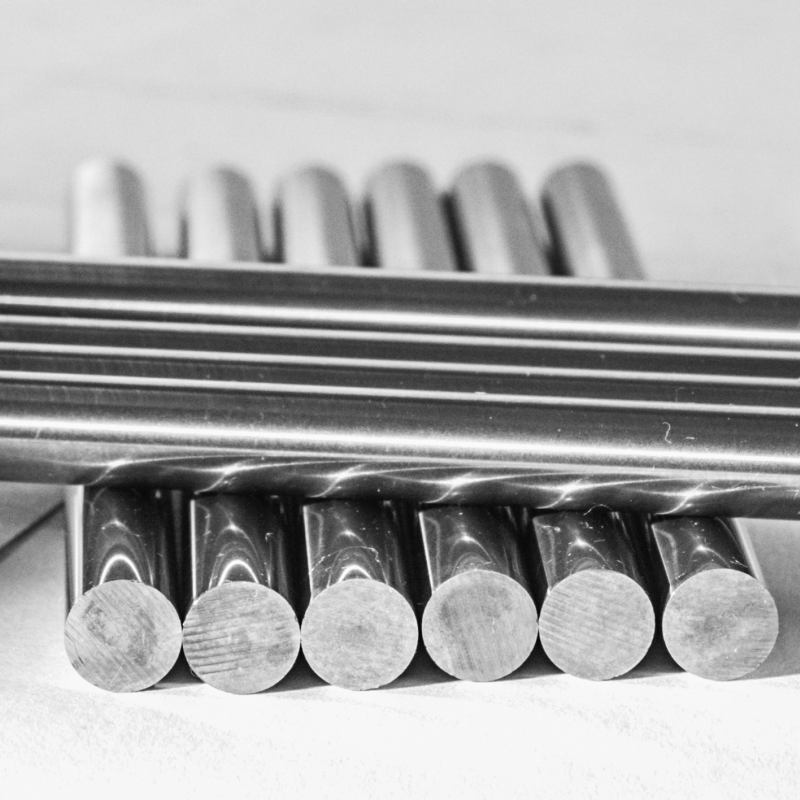
Tungsten carbide rods construction provides extraordinary hardness. These rods maintain structural integrity where steel fails. They resist deformation under extreme stress. Their thermal stability prevents degradation in high-temperature environments. This combination enables consistent performance in the most demanding applications.
Critical Industrial Benefits
1. Extended Tool Life & Cost Efficiency
- 5-10x longer lifespan than standard steel tools
- Dramatically reduced replacement frequency
- Lower total cost despite higher initial investment
- Minimal maintenance requirements
2. Enhanced Precision & Consistency
- Maintain sharp cutting edges through prolonged use
- Reduce dimensional variance in production batches
- Enable tighter tolerances for critical components
- Improve overall product quality
3. Extreme Environment Performance
- Withstand temperatures exceeding 1000°F
- Resist corrosion in harsh chemical environments
- Maintain strength under extreme pressure
- Reduce unexpected downtime
Industry-Specific Applications
Aerospace Manufacturing
- Turbine component machining
- Lightweight structural component production
- High-temperature alloy processing
- Critical safety component fabrication
Oil & Gas Operations
- Downhole drilling tool components
- Geological exploration equipment
- High-pressure valve manufacturing
- Corrosion-resistant part production
Metalworking & Toolmaking
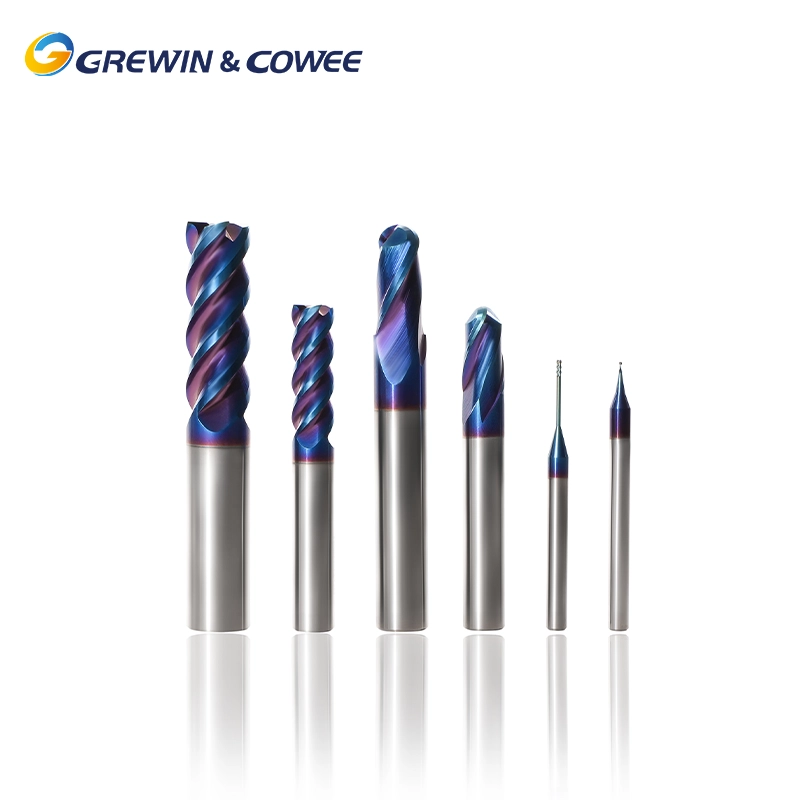
- Precision end mills and drill bits
- Mold and die manufacturing
- High-volume production cutting tools
- Custom machining applications
Mining & Heavy Industry
- Rock drilling and cutting tools
- Mineral extraction equipment
- Wear-resistant component production
- Heavy machinery part fabrication

Selection Considerations
Application Requirements Analysis
- Material compatibility assessment
- Operational temperature range verification
- Stress load calculations
- Precision tolerance requirements
Technical Specifications Matching
- Carbide grade and composition selection
- Dimensional accuracy requirements
- Surface finish specifications
- Custom geometry design considerations
Supplier Evaluation Criteria
- Material certification documentation verification
- Manufacturing capability on-site assessment
- Technical support responsiveness
- Industry application experience validation
Implementation Strategy
Pilot Testing Phase
Begin with non-critical applications. Continuously monitor key performance metrics including wear rates, dimensional stability, and operational efficiency. Establish a comprehensive performance comparison database.
Cost-Benefit Analysis
Calculate total cost of ownership, incorporating factors such as reduced downtime, lower tool inventory costs, and improved production quality. Most projects achieve ROI within 4-8 months.
Scaled Implementation Deployment
Gradually expand application based on pilot results. Provide professional training for operational personnel. Establish standardized maintenance procedures. Integrate carbide tools into preventive maintenance systems.
Future Outlook: The Next Frontier in Carbide Rod Technology
The trajectory of industrial-grade carbide rods is defined by intelligent integration and material science breakthroughs. As Industry 4.0 reshapes manufacturing, these rods are evolving from passive tools into active, data-driven components.
1. Smart Tooling & Predictive Maintenance
- Embedded sensors will monitor real-time wear, temperature, and stress data.
- IoT-enabled rods could communicate with CNC systems to auto-adjust machining parameters.
- Predictive analytics will forecast tool failure before it occurs, minimizing unplanned downtime.
2. Advanced Material Engineering
- Nanostructured carbide composites promise 20%+ hardness increases without sacrificing toughness.
- Gradient material designs will allow customized hardness-toughness profiles within a single rod.
- Self-lubricating coatings may eliminate external coolants in sustainable machining processes.
3. Sustainable Manufacturing Synergy
- Longer tool life directly reduces raw material consumption and waste generation.
- Dry machining compatibility supports cleaner production environments.
- Recycling technologies for tungsten carbide are advancing, closing the material lifecycle loop.
4. Digital Integration & Customization
On-demand manufacturing via additive techniques may enable fully customized rod solutions within days.
AI-driven design tools will optimize rod geometries for specific applications.
Digital twins of tools will enable virtual performance testing before physical production.
Contact Our Specialists: +86-18673327292
Email Your Requirements: info@gwcarbide.com
Explore Our Full Range: https://grewintools.com
https://www.coweecarbide.com
 Polish
 English
 Chinese
 German
 French
 Portuguese
 Spanish
 Turkish
 Russian