
In the world of machining and manufacturing, carbide endmills play a vital role in shaping materials with precision and efficiency. Whether you are a seasoned machinist or a hobbyist, understanding the properties and benefits of carbide endmills can significantly enhance your work quality and productivity. In this article, we delve into the often-overlooked world of these tools, highlighting their features, benefits, and various applications.
Understanding Carbide Endmills
Carbide endmills are cutting tools made from tungsten carbide, known for being incredibly hard and wear-resistant. This unique property makes them particularly suitable for machining materials such as aluminum, steel, and plastics. Unlike traditional HSS (high-speed steel) tools, carbide endmills maintain their cutting edge and integrity even at elevated temperatures, ensuring longer tool life and consistent performance.
For example, consider a scenario where you are machining a complex part for an automotive application. Using carbide endmills allows you to cut intricate shapes and curves in hard steel without frequent tool replacements, saving both time and costs in the manufacturing process.
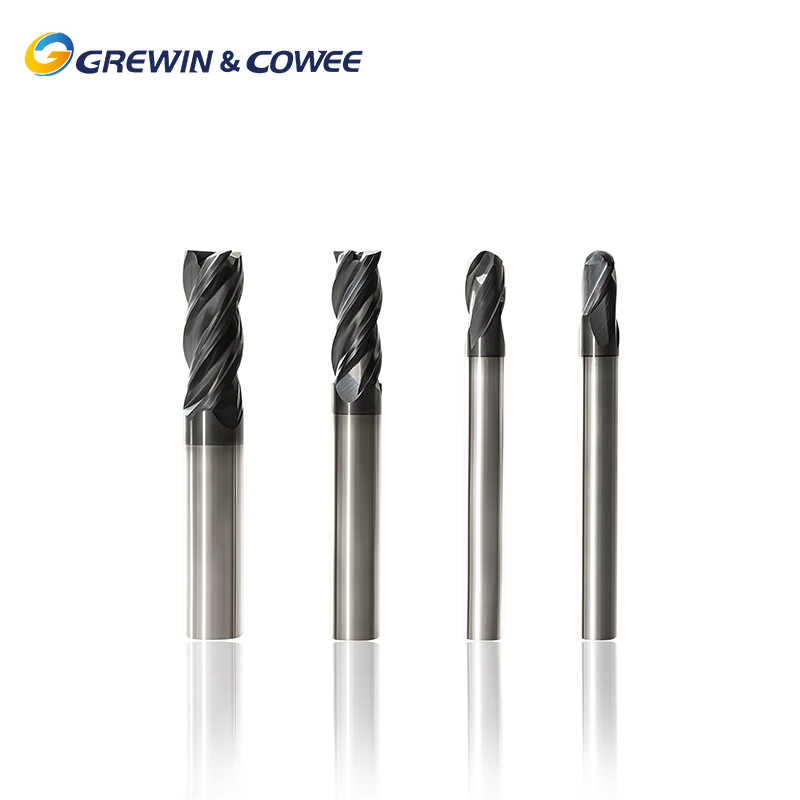
Key Benefits of Carbide Endmills
When choosing cutting tools, customers often look for specific benefits that cater to their machining needs. Here are some key advantages of carbide endmills that stand out in the market:
1. Longevidade e durabilidade
One of the most compelling reasons manufacturers choose carbide endmills is their longevity. These tools can last several times longer than their HSS counterparts due to their hard composition. For instance, when milling aluminum parts, a carbide endmill may outlast an HSS tool by as much as five times. This reduced need for frequent replacements translates into lower operating costs and less downtime for machine maintenance.
2. Corte de precisão
Carbide endmills excel in precision. Their ability to maintain sharp edges enables them to produce high-quality finishes, even on detailed or tight-tolerance parts. For example, if you are fabricating parts for medical equipment, the accuracy provided by carbide endmills ensures that every piece meets strict health and safety regulations.
3. Versatilidade entre materiais
These endmills can tackle a wide range of materials. From soft metals like aluminum to harder substances such as stainless steel and titanium, carbide endmills demonstrate excellent performance. This versatility allows shops to reduce their inventory of cutting tools, as one type can often handle various jobs. Imagine a scenario in a workshop where operators can seamlessly switch from milling soft plastic to hard steel, all with the same style of carbide endmill.
4. Resistência ao calor aprimorada
The hardness of carbide allows these endmills to withstand higher temperatures generated during machining. This heat tolerance not only prevents tool failure but also improves the overall machining process. When milling at high speeds, the cooling properties provided by carbide endmills lead to improved chip removal and reduced workpiece deformation.
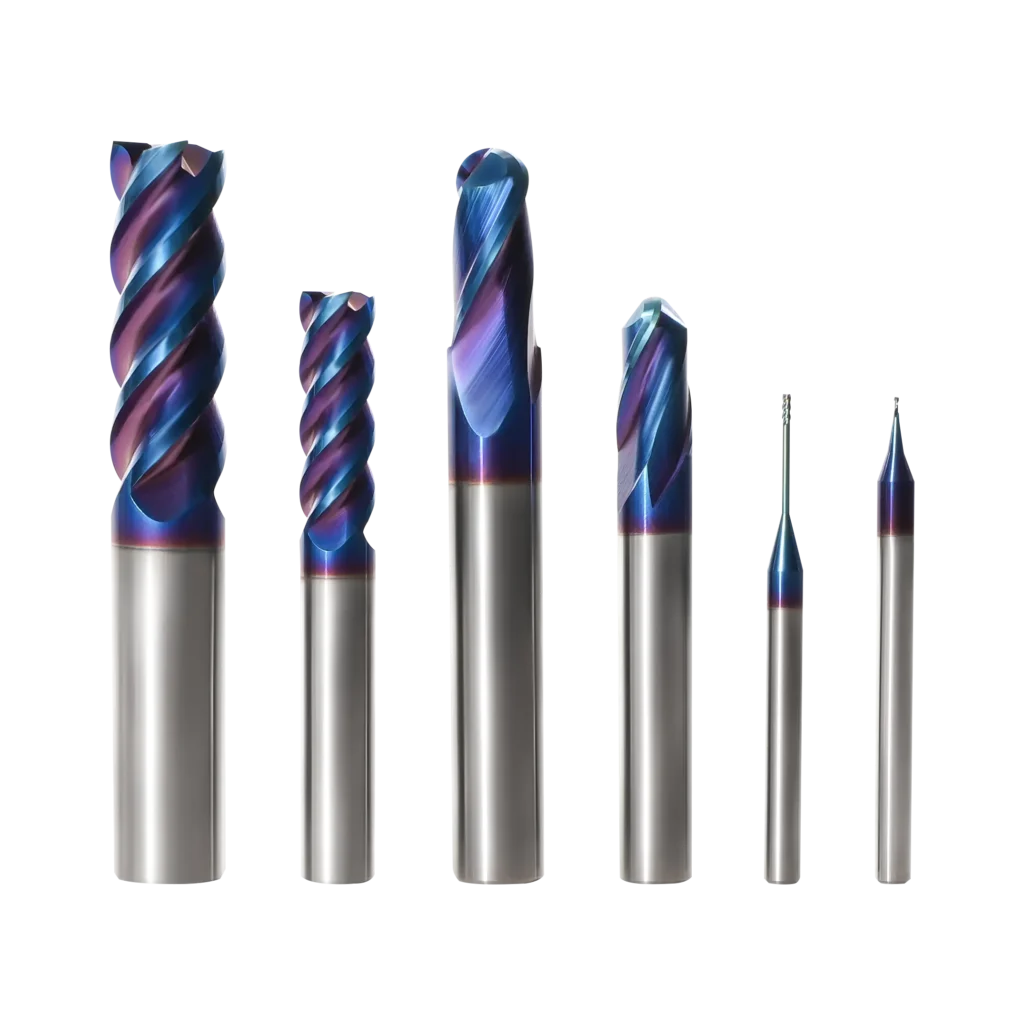
Application Areas for Carbide Endmills
Carbide endmills find use in various industries, reflecting their extensive applicability due to the advantages discussed. Here are some key application areas:
1. Indústria Aeroespacial
In aerospace manufacturing, the precision and reliability of components are non-negotiable. Carbide endmills play a crucial role in machining parts that must endure high stress and extreme conditions. For instance, components like turbine blades and landing gear require not just precision, but also the toughness that carbide tools provide.
2. Fabricação Automotiva
In automotive production, the need for efficiency and speed is paramount. Carbide endmills allow for rapid production of intricate mechanical parts that must fit together seamlessly. Their ability to deliver fine finishes helps reduce the need for extensive post-machining processes, accelerating production timelines.
3. Mold and Die Making
Mold makers benefit greatly from carbide endmills due to their ability to produce complex shapes with tight tolerances. Creating molds for plastic injection requires precise cutting to ensure the final products meet rigorous specifications. Carbide endmills enable mold makers to provide highly detailed and accurate molds that enhance product quality.
4. Medical Device Manufacturing
In the medical field, where components often require precision and cleanliness, carbide endmills are essential. They help in creating intricate devices that are safe for medical use while still being manufactured quickly and efficiently. This guarantees that the products not only perform optimally but also conform to stringent regulatory standards.
Choosing the Right Carbide Endmill
When purchasing carbide endmills, it’s important to consider factors such as the type of material you will be machining, the depth of cut, and the desired finish. Manufacturers typically provide guidance on the specific applications of their tools, so take the time to consult product descriptions and performance ratings.
Some key considerations include the number of flutes, coating options, and the overall geometry of the endmill. A two-flute carbide endmill may be ideal for softer materials while a four-flute model might be better suited for harder materials, allowing for efficient chip removal and faster cutting speeds.

Conclusão
In summary, carbide endmills are indispensable tools in the machining industry, offering numerous advantages such as durability, precision, versatility, and heat resistance. Their broad range of applications highlights their significance in sectors ranging from aerospace to automotive. By understanding what carbide endmills can do, manufacturers can make informed decisions that enhance their productivity and quality.
Next time you consider purchasing cutting tools, remember the benefits of carbide endmills and how they can affect your production processes. Investing in these tools could very well be the catalyst that propels your manufacturing capabilities to the next level.
Get Technical Data & Expert Advice:
- Download specs & technical guides: www.grewintools.com or www.gwcarbide.com
- For Russian customers: www.grewintools.ru
- Connect directly for samples or consultation:
- Contact: Lydia Choo
- WhatsApp: +86-18673327292
- Email: info@gwcarbide.com
- Additional product lines: www.coweecarbide.com
 Portuguese
 English
 Chinese
 German
 French
 Spanish
 Turkish
 Russian
 Polish