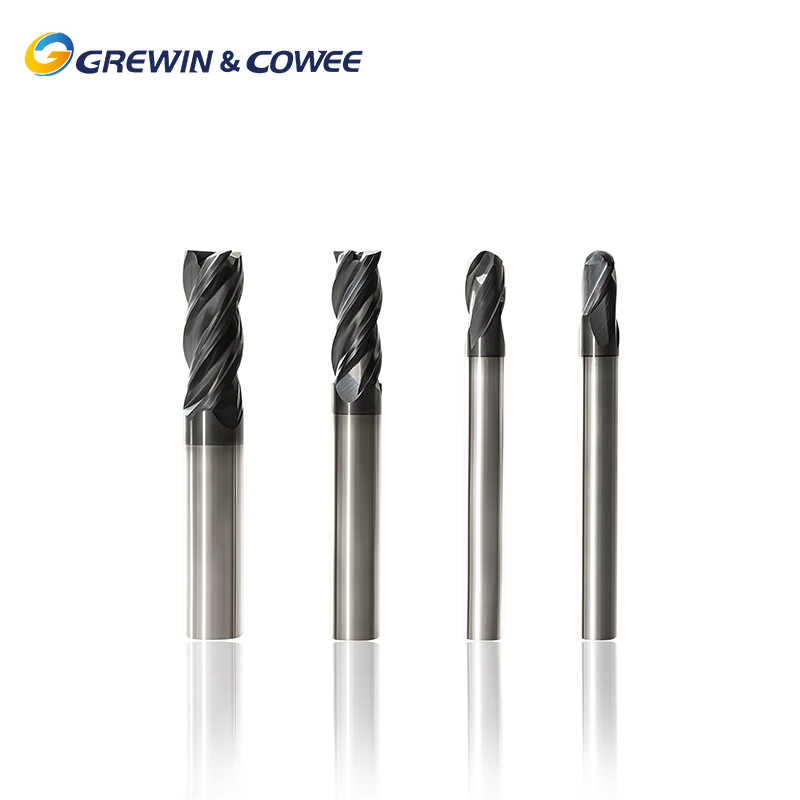
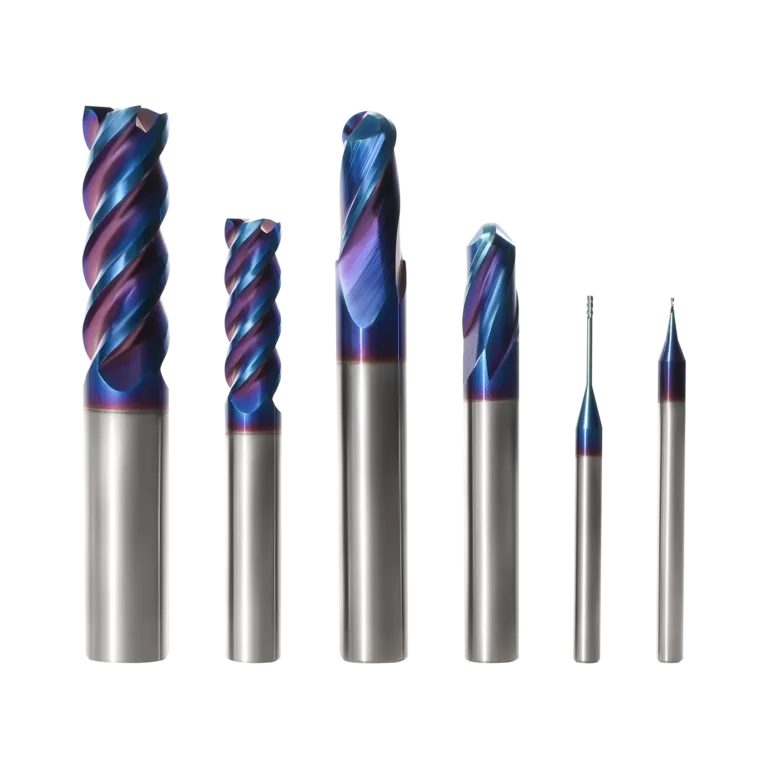
Fresas de topo de metal duro are a game-changer for industries that rely on high-precision machining. These tools, made entirely from carbide, offer superior hardness, wear resistance, and cutting performance compared to traditional steel tools. In this article, we will explore how solid carbide end mills improve productivity, reduce costs, and deliver the precision required for modern manufacturing processes. Whether you are working with metals, plastics, or composites, understanding the benefits and proper use of solid carbide end mills can significantly enhance your machining outcomes.
Índice
AlternarWhat is a Solid Carbide End Mill?
A solid carbide end mill is a cutting tool used in milling operations. Unlike traditional tools, which may have carbide tips welded onto a steel body, a solid carbide end mill is made entirely from carbide material. This makes it highly durable and able to withstand extreme cutting forces and temperatures.
Solid carbide end mills are primarily used in machining operations like milling, drilling, and finishing. These tools are suitable for a wide range of materials, from soft metals like aluminum to tougher alloys and hardened steel.
Why Choose a Solid Carbide End Mill?
Several factors make solid carbide end mills a top choice for machinists and manufacturers:
Increased Cutting Performance
Solid carbide tools can handle high cutting speeds, which leads to faster machining and greater productivity. Their ability to withstand higher temperatures allows them to perform well in challenging conditions, including dry machining and high-speed operations.Precisão Superior
The hardness of solid carbide ensures that the cutting edges retain their sharpness longer than traditional materials. This results in more accurate cuts, higher surface quality, and tighter tolerances, making it ideal for precision machining tasks.Longer Tool Life
Solid carbide is highly resistant to wear and corrosion, meaning that the tool lasts longer and requires fewer replacements. This leads to cost savings over time and minimizes downtime due to tool changes.Versatilidade
Solid carbide end mills come in various shapes and sizes, making them suitable for a wide range of applications. From slotting to side milling, these tools can handle different machining operations effectively.Better Surface Finish
Due to their sharp edges and resistance to heat, solid carbide end mills produce a finer surface finish compared to tools made from other materials. This is particularly important in industries where surface integrity is critical.
Types of Solid Carbide End Mills
Solid carbide end mills are available in various shapes and designs, allowing machinists to choose the right tool for specific operations:
Square End Mills
These are the most common type of solid carbide end mills. They are used for general-purpose milling, including side milling and face milling.Ball Nose End Mills
These end mills are designed for 3D contouring and precision machining of complex shapes. They are often used in mold making and other applications where smooth, curved surfaces are required.Corner Radius End Mills
With a slightly rounded edge, these end mills help reduce stress during cutting and increase tool life. They are ideal for finishing operations, where a balance between precision and durability is needed.Roughing End Mills
These end mills are designed for aggressive material removal. They have a more robust design, allowing them to remove large amounts of material quickly without sacrificing tool life.Tapered End Mills
Tapered end mills are used for creating angled surfaces or contours. These are essential for applications like die and mold making.
How to Choose the Right Solid Carbide End Mill
When selecting a solid carbide end mill, it’s important to consider several factors to optimize performance:
Material to be Machined
Different materials require different types of end mills. For example, cutting aluminum may require a different end mill than machining steel or titanium. Solid carbide is highly versatile, but the right selection depends on the material’s hardness and machinability.Cutting Conditions
High-speed operations require tools that can withstand greater temperatures. Solid carbide end mills excel in such conditions, but ensure the end mill selected can handle the specific cutting speeds and feed rates for your application.Tool Geometry
The geometry of the end mill—such as the helix angle, flutes, and cutting edge design—determines how it performs. Choose the right geometry for your specific task, whether it’s roughing, finishing, or precision milling.Coatings
Some solid carbide end mills come with coatings like TiN, TiAlN, or AlTiN, which enhance their performance by providing additional wear resistance and reducing friction. Coatings are particularly useful when machining harder materials.
Benefits of Using Solid Carbide End Mills
Incorporating solid carbide end mills into your machining process can provide several key advantages:
Increased Efficiency: Faster cutting speeds and longer tool life lead to reduced downtime and higher throughput.
Improved Quality: The durability of solid carbide results in cleaner, more precise cuts with better surface finishes.
Cost Savings: Despite a higher upfront cost, solid carbide end mills reduce the need for frequent replacements and lower overall tool maintenance costs.
Get Technical Data & Expert Advice:
- Download specs & technical guides: www.grewintools.com or www.gwcarbide.com
- For Russian customers: www.grewintools.ru
- Connect directly for samples or consultation:
- Contact: Lydia Choo
- WhatsApp: +86-18673327292
- Email: info@gwcarbide.com
- Additional product lines: www.coweecarbide.com
Solid carbide end mills are more durable, precise, and heat-resistant than high-speed steel tools, making them ideal for high-speed and high-performance machining.
Yes, solid carbide end mills can be used on a wide range of materials, including metals, plastics, and composites, with the right geometry and coating.
Proper maintenance, correct cutting speeds, and feed rates, as well as avoiding excessive heat buildup, can extend the life of your carbide end mill.
Coated end mills offer better performance in terms of wear resistance and heat tolerance, especially when working with tougher materials.
Ball nose end mills are perfect for 3D contouring, engraving, and precision machining of complex shapes, often used in mold making.