
When it comes to precision machining, the tools you use can considerably impact the quality and efficiency of your work. One crucial component of this toolkit is carbide insert turning tools. These tools are widely recognized for their durability and superior performance, but with so many options available, how do you choose the right one for your machining needs? This article aims to guide you through this decision-making process by outlining key factors to consider, potential applications, and the benefits of using carbide insert turning tools.
Understanding Carbide Insert Turning Tools
Carbide insert turning tools are cutting tools made with a hard material known as carbide, which is a compound of carbon and tungsten. The inserts are the small blades that fit into a holder and are designed for various turning processes, primarily used in lathes for shaping materials like metal, wood, and plastic. Their rigidity and high resistance to wear make them ideal for high-speed machining, which enhances productivity in any manufacturing setup.
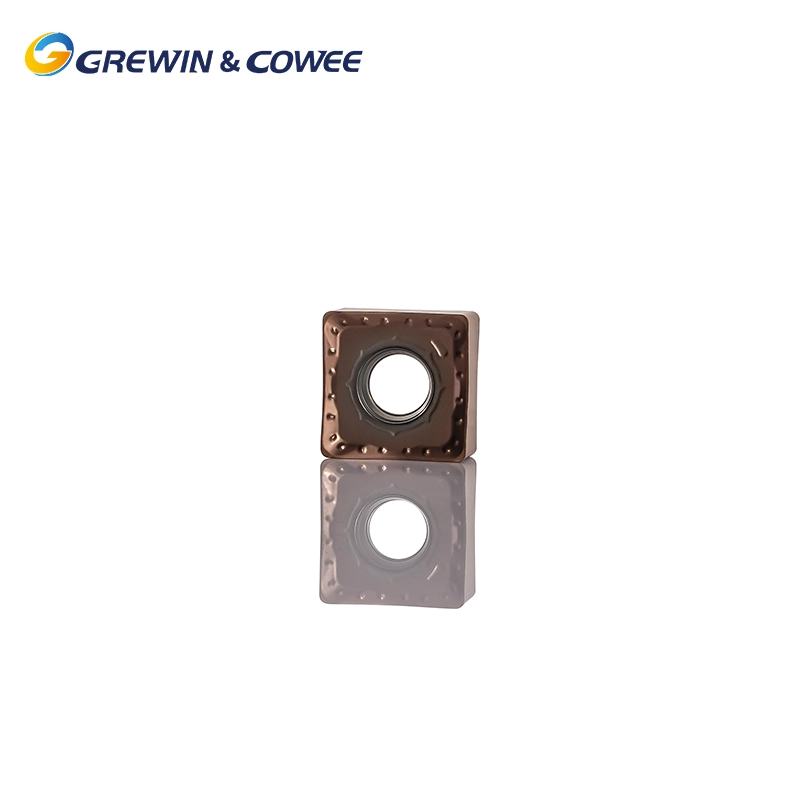
Why Choose Carbide Insert Turning Tools?
1.Durability: Carbide materials offer resistance to wear and heat. This means that they can last significantly longer than other types of cutting tools, reducing replacement costs over time. For instance, in a manufacturing facility where turning steel components is a daily task, investing in high-quality carbide insert turning tools can lead to less downtime and increased output.
2.Versatility: These tools can be used for various operations, including turning, boring, and facing. For example, an automotive machining shop can utilize carbide insert turning tools for both engine blocks and transmission cases, demonstrating their adaptability across different machining requirements.
3.Precision and Surface Finish: Carbide inserts provide excellent chip control and stability, allowing for finer surface finishes and tighter tolerances. When dealing with components that require a high degree of accuracy, like those used in aerospace applications, carbide insert turning tools ensure the quality standards are met.
Choosing the Right Insert Style
Selecting the right insert shape and style for your tool is critical. For instance:
-Diamond Inserts: Ideal for finishing operations due to their sharp edges and ability to achieve a smooth surface.
-Wiper Inserts: Designed to reduce the time spent on finishing cuts, making them perfect for production environments where efficiency is key.
-Roughing Inserts: Useful for the initial stages of material removal, these inserts can handle a larger volume of material quickly but may not provide the best surface finish.
Understanding the specific requirements of your project can help you decide which insert style is the most appropriate. For example, if you are primarily engaged in bulk material removal, roughing inserts would be advantageous. However, if your end goal is a refined surface finish, investing in diamond inserts for the finishing phase will yield better results.
Существенные соображения
The choice of carbide grade is another crucial element in selecting carbide insert turning tools. Different grades are suited for diverse materials and cutting conditions:
-P-grade Inserts: Best for machining steel and cast iron. They can withstand high cutting speeds and provide a good balance of durability and toughness.
-K-grade Inserts: Ideal for hard materials like stainless steel. They provide additional resistance to oxidation and wear, which is particularly important in high-temperature applications.
For instance, if you’re machining stainless steel parts for a marine application, K-grade carbide insert turning tools would be preferable due to their enhanced properties under high-stress conditions.
Варианты покрытия
Coatings can significantly enhance the performance of carbide insert turning tools. Common coatings include titanium nitride (TiN) and titanium carbonitride (TiCN). These coatings improve hardness and reduce friction, resulting in less heat generation during cutting operations.
For example, a machine shop specializing in high-speed machining of aluminum might benefit from TiN-coated carbide inserts, which enhance the longevity of the tool while promoting a smoother cut. On the other hand, if you’re working with hardened materials, a TiCN coating would offer better wear resistance.
Care and Maintenance
Proper maintenance can extend the life of your carbide insert turning tools and ensure consistent performance. Regularly inspecting inserts for wear and replacement when necessary is key. Additionally, keeping your machinery in optimal condition and ensuring that the right cutting speeds are used will prevent premature wear on your tools.
For instance, if you notice that your tools are chipping or producing rougher finishes than usual, it may be time not only to replace them but also to reassess your machining parameters. This approach not only saves costs but also maintains efficiency and output quality.
Заключение
Choosing the right carbide insert turning tools for your machining needs involves careful consideration of various factors, including insert style, material compatibility, coatings, and required precision levels. By investing in quality carbide inserts and understanding their specific applications, businesses can enhance their productivity, reduce costs, and achieve high-quality outcomes.
In every step of the decision-making process, remember to assess your unique requirements and risks. As manufacturing continues to evolve, staying informed about the latest advancements in carbide insert technology can provide a competitive edge in today’s market. With the right carbide insert turning tools, you’re not just purchasing a product; you’re investing in the future of your machining success.
Get Technical Data & Expert Advice:
- Download specs & technical guides: www.grewintools.com or www.gwcarbide.com
- For Russian customers: www.grewintools.ru
- Connect directly for samples or consultation:
- Contact: Lydia Choo
- WhatsApp: +86-18673327292
- Email: info@gwcarbide.com
- Additional product lines: www.coweecarbide.com
 Russian
  English
  Chinese
  German
  French
  Portuguese
  Spanish
  Turkish
  Polish