
In the world of precision machining, selecting the right tools can significantly affect the quality and efficiency of the manufacturing process. One of the most important tools in this arena is the solid carbide end mill. These small but mighty tools have become essential for professionals looking to achieve high-precision cuts and detailed designs. In this article, we will explore what makes solid carbide end mills a preferred choice for many machinists, highlighting their benefits, applications, and some practical insights to consider when purchasing them.
Understanding Solid Carbide End Mills
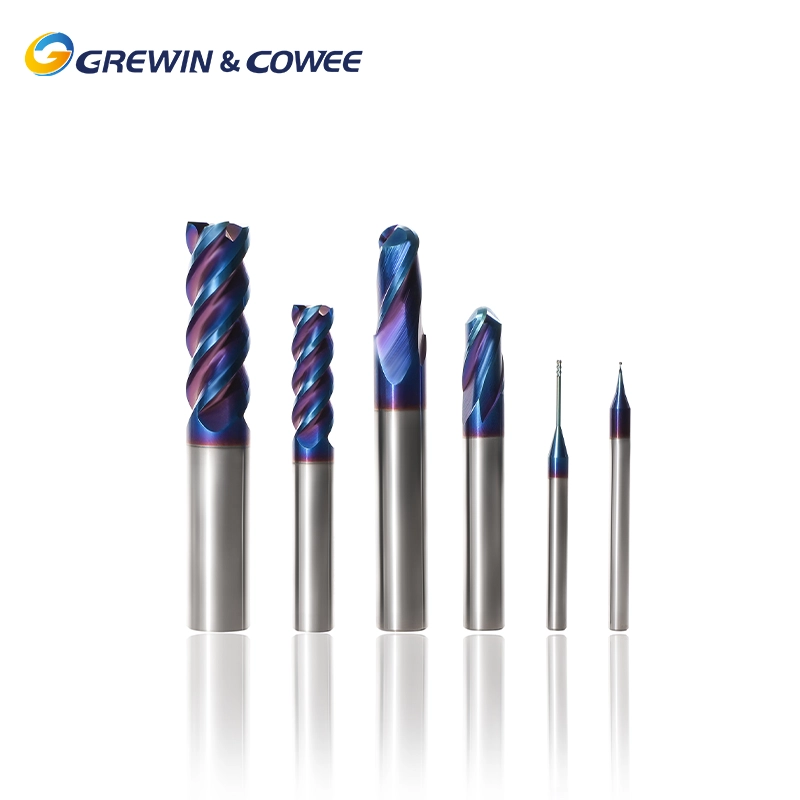
Solid carbide end mills are cutting tools made from tungsten carbide, a dense and hard material that can withstand high temperatures and wear. Unlike traditional high-speed steel tools, which can dull quickly under tough machining conditions, solid carbide end mills deliver exceptional durability and longevity. This durability translates into fewer tool changes, reducing both downtime and production costs.
Imagine you are a machinist tasked with creating intricate parts for an aerospace application. The demand for precision is paramount, as even the smallest errors can lead to failures in performance. By opting for solid carbide end mills, you would be able to achieve tighter tolerances and superior surface finishes, ensuring that each component meets stringent industry standards.
Benefits of Solid Carbide End Mills
Enhanced Durability and Tool Life
One of the standout features of solid carbide end mills is their durability. Made from high-quality carbide, these tools can endure substantial wear and tear, allowing them to maintain sharp edges for longer periods. This characteristic is particularly beneficial in high-volume production settings where consistent performance is required. For instance, if a manufacturer needs to produce hundreds of precision components each day, the longevity of solid carbide end mills could lead to substantial cost savings over time.
Versatility across Materials
Solid carbide end mills are incredibly versatile and can be used on a variety of materials, including steel, aluminum, copper, and even harder alloys. This versatility makes them a go-to tool for many industries, including automotive, aerospace, and medical device manufacturing. For example, a shop specializing in automotive parts may utilize solid carbide end mills for both soft aluminum substrates and hardened steel components, allowing for seamless operation without the need to switch tools frequently.
Improved Cutting Performance
Cutting performance is another vital aspect where solid carbide end mills shine. These tools are designed with precision geometry that allows for faster cutting speeds and feeds compared to their steel counterparts. This improvement can lead to shortened cycle times and increased productivity. For a manufacturer aiming to meet deadline demands, the efficiency gained from using solid carbide end mills is invaluable. Imagine completing projects ahead of schedule, allowing for greater customer satisfaction and an increase in repeat business.
Reduced Tool Changes and Increased Productivity
In a busy machining environment, time is money. The robustness of solid carbide end mills reduces the frequency of tool changes, which often can be a cumbersome and time-consuming process. Less downtime translates to greater productivity, enabling machinists to focus on crafting quality products rather than managing tool maintenance. For example, consider a machining facility that typically changes tools every two hours. By transitioning to solid carbide end mills, they might extend the time between changes to six hours or more. This extended usage not only optimizes operational efficiency but also boosts morale among the workforce, who can concentrate on their craft without interruption.
Applications of Solid Carbide End Mills
The applications for solid carbide end mills are broad and varied, catering to many sectors within manufacturing.

Аэрокосмическая промышленность
In the aerospace industry, precision is critical. Components such as turbine blades, which must meet extreme performance standards, often require intricate geometries and exceptional surface quality. Solid carbide end mills can achieve these demanding specifications thanks to their ability to maintain sharpness and precision over extended periods.
Medical Device Manufacturing
Another sector that relies heavily on solid carbide end mills is medical device manufacturing. With stringent regulatory requirements and a growing need for innovative designs, manufacturers count on these tools to produce components with fine details and tight tolerances. For instance, surgical instruments may require creating complex features that only solid carbide end mills can deliver effectively.
Automotive Sector
The automotive industry is constantly evolving, with increasing pressure on manufacturers to develop lightweight yet durable parts. Solid carbide end mills can efficiently cut through various materials to produce components such as engine blocks, chassis parts, and intricate transmission components. The speed and efficiency of machining with solid carbide end mills help car manufacturers stay competitive in an ever-changing market.
Prototyping
In addition to mass production, solid carbide end mills are useful for rapid prototyping. Designers and engineers can create prototypes with impeccable detail, which allows for immediate testing and refinement. The ability to quickly create and adjust prototypes ensures that concepts can evolve rapidly, bringing innovative products to market faster.
Making the Right Purchase
When looking to purchase solid carbide end mills, there are several factors customers should consider:
1. Геометрия и дизайн: Different cutting scenarios may require specific geometries. Researching various end mill designs, such as ball nose or flat bottom configurations, can help in selecting the right tool.
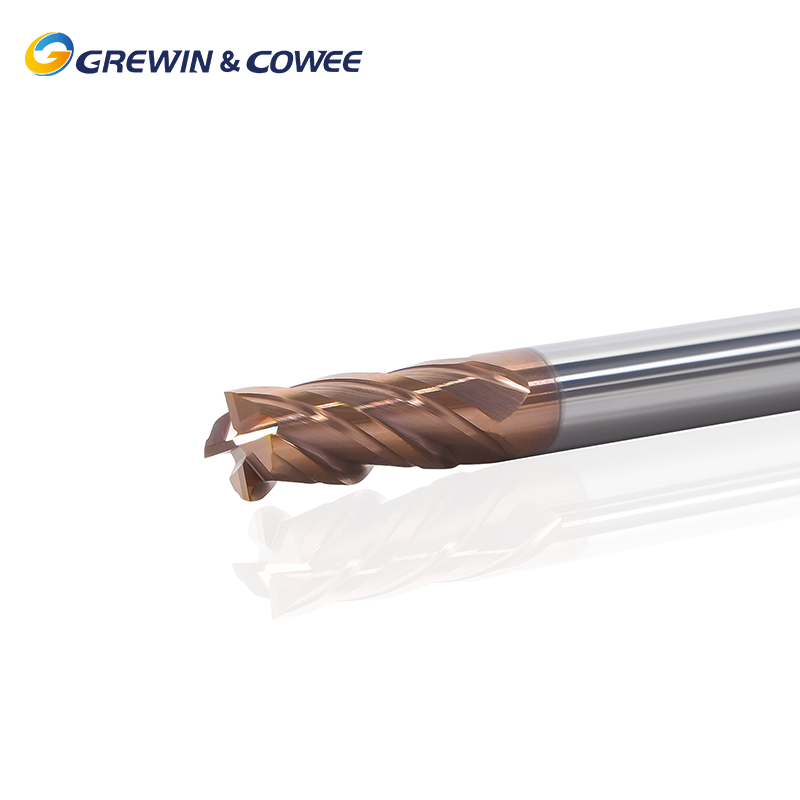
2. Coating Options**: Certain coatings, like titanium nitride, can further enhance the performance and wear resistance of solid carbide end mills. Understand what types of coatings are available and how they affect machining different materials.
3. Size and Diameter**: Selecting the appropriate size is crucial to match the requirements of your projects. Smaller diameters may be necessary for intricate designs, while larger ones may be suited for bulk material removal.
4. Supplier Reputation: Always choose reputable suppliers with a track record of quality. Customer reviews and case studies can provide insight into the durability and performance of specific products.
5. Price vs. Value: While solid carbide end mills may have a higher upfront cost compared to HSS tools, considering the total cost of ownership, including tool life and productivity gains, can reveal the true value of the investment.
Заключение
Solid carbide end mills are essential tools in the precision machining landscape, offering numerous benefits ranging from durability to versatility across different materials. Their application in various industries underlines their significance for manufacturers looking to enhance productivity and precision. As you consider integrating solid carbide end mills into your operations, remember to evaluate your specific cutting needs, tool geometries, and supplier options to maximize your investment. With the right tools in hand, the possibilities for innovation in manufacturing are vast. Embrace the potential of solid carbide end mills and take your machining capabilities to new heights.
Get Technical Data & Expert Advice:
- Download specs & technical guides: www.grewintools.com or www.gwcarbide.com
- For Russian customers: www.grewintools.ru
- Connect directly for samples or consultation:
- Contact: Lydia Choo
- WhatsApp: +86-18673327292
- Email: info@gwcarbide.com
- Additional product lines: www.coweecarbide.com
 Russian
  English
  Chinese
  German
  French
  Portuguese
  Spanish
  Turkish
  Polish