
In the world of manufacturing and machining, precision is paramount. One of the critical tools enabling this precision is solid carbide rods for precision cutting. These rods are versatile, durable, and designed for high-performance applications. Understanding their characteristics, benefits, and ideal applications can assist buyers in making informed decisions, improving both quality and efficiency.
What Are Solid Carbide Rods?
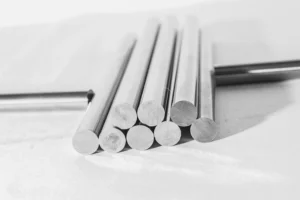
Solid carbide rods are made from tungsten carbide, a tough metal alloy known for its hardness and wear resistance. Unlike high-speed steel tools, carbide rods maintain their cutting edges longer and are less prone to deformation under high temperatures. The desire for high precision and reduced downtime in manufacturing makes these rods an optimal choice for various cutting applications.
For example, in the aerospace industry, where components need to be machined with extreme accuracy, solid carbide rods are crucial. A small tolerance error can lead to significant safety issues and increased costs. Because of their hardness, these rods can provide consistent results, ensuring that components meet strict requirements.
Key Benefits of Solid Carbide Rods for Precision Cutting
1. Superior Hardness
The hardness of solid carbide rods is often cited as one of their greatest strengths. Rated at around 1600 HV on the Vickers hardness scale, they outperform most steel tool materials. This characteristic allows tools made from carbide rods to maintain sharp edges longer, leading to less frequent sharpening and longer tool life. For example, a solid carbide drill bit can last multiple times longer than its high-speed steel counterpart, making it an economical choice in the long run.
2. Enhanced Wear Resistance
Solid carbide rods provide exceptional wear resistance, making them ideal for high-volume production runs. Industries like automotive or manufacturing often rely on their ability to cut through various materials, such as stainless steel and composite materials. A high-speed machining environment benefits from the wear resistance of solid carbide rods, minimizing tool wear and allowing for continuous operation with fewer interruptions for tool changes.
3. Tight Tolerances
Precision cutting requires tools that can perform with exceptional accuracy. Solid carbide rods facilitate tight tolerances during the cutting process, an essential requirement in industries such as electronics and medical device manufacturing. For instance, in the production of microchips, even minuscule deviations can result in faulty parts. Solid carbide rods ensure minimal deviation in the cutting process, thereby enhancing product quality.
4. Increased Cutting Speeds
The ability of solid carbide rods to withstand higher cutting speeds helps manufacturers improve productivity. With their superior heat resistance, these rods can be used in high-speed machining applications without compromising performance. For instance, when cutting aluminum with solid carbide end mills, machinists can achieve faster feeds and speeds, resulting in significant time savings and reduced costs.
5. Versatility
Solid carbide rods can be used in various cutting applications, from drilling and milling to grinding and turning. This versatility appeals to manufacturers who may be working with multiple materials and need a reliable tool for different processes. Whether you’re fabricating components for construction or automotive applications, these rods are adaptable to several uses, making them a favorite among machinists.
Choosing the Right Solid Carbide Rods for Your Application
When it comes to purchasing solid carbide rods for precision cutting, understanding your specific application is key. Factors such as material type, cutting speed, and desired finish can impact the effectiveness of the rod you select.
Material Considerations
Different materials require different cutting tools. For example, when working with harder steels, a solid carbide rod with a higher cobalt content may be more effective. Conversely, if you’re working with softer materials, a rod with a lower cobalt content may suffice.
Tool Geometry
The design of the cutting tool, including the angle and thickness, plays a significant role in performance. For precision cutting applications, selecting the right geometry ensures that the solid carbide rods can effectively engage with the material being processed.
Coatings
Many solid carbide rods come with coatings such as TiAlN (Titanium Aluminum Nitride) or TiN (Titanium Nitride), which can enhance performance by providing additional wear resistance and reducing friction. Depending on your application, choosing the right coating can drastically improve cutting efficiency.
Applications of Solid Carbide Rods for Precision Cutting
Solid carbide rods find applications in a variety of industries, showcasing their adaptability and performance.
Aerospace Industry
In aerospace manufacturing, precision is non-negotiable. Solid carbide rods are essential for machining turbine blades, landing gear components, and various aircraft structures. Every component must meet stringent safety standards, and solid carbide rods facilitate this requirement efficiently.
Automotive Sector
Manufacturers in the automotive sector can leverage solid carbide rods for producing engine components, transmissions, and critical safety parts. The durability and precision of these rods allow for high-speed machining, ensuring that parts are produced quickly while meeting safety and quality standards.
Medical Device Manufacturing
In the medical field, precision cutting is vital for producing instruments and devices used in healthcare. Solid carbide rods enable manufacturers to create intricate components that must be sterile and high-quality, ensuring patient safety and effective treatment.
Conclusion
In summary, solid carbide rods for precision cutting are essential tools in various industries, offering outstanding hardness, wear resistance, and versatility. When selecting the right rods, consider the specific needs of your application, including material compatibility and required tolerances.
Understanding the advantages of these rods not only allows manufacturers to choose the right tools but also encourages them to think critically about their production processes. By investing in high-quality solid carbide rods, companies can enhance efficiency, maintain tight tolerances, and ultimately produce superior products that meet or exceed industry standards.
As industries continue to evolve, so will the applications and innovations surrounding solid carbide rods, ensuring that precision cutting remains at the forefront of manufacturing.
Get Technical Data & Expert Advice:
- Download specs & technical guides: www.grewintools.com or www.gwcarbide.com
- For Russian customers: www.grewintools.ru
- Connect directly for samples or consultation:
- Contact: Lydia Choo
- WhatsApp: +86-18673327292
- Email: info@gwcarbide.com
- Additional product lines: www.coweecarbide.com
 English
  Chinese
  German
  French
  Portuguese
  Spanish
  Turkish
  Russian
  Polish