
When it comes to cutting materials, choosing the right tool can make a significant difference. One of the essential tools in woodworking and metalworking is the carbide saw blade. These blades are known for their durability and precision, making them a favorite among professionals and DIY enthusiasts alike. But with so many options available, how do you choose the right carbide saw blades for your cutting needs? This article breaks down the key factors to consider, ensuring you make an informed decision.
了解硬质合金锯片
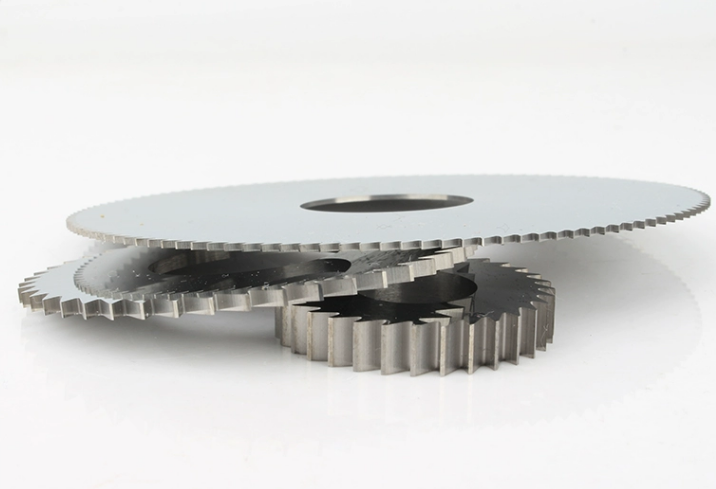
Carbide saw blades are specifically designed to maintain sharpness longer than traditional steel blades. They are made with tungsten carbide, a material that enhances cutting efficiency and extends the lifespan of the blade. For instance, a standard steel saw blade might wear out after a few uses, while a carbide blade can often last much longer, providing better value over time.
Their advantages extend beyond longevity. Because carbide saw blades can cut through harder materials like laminate, hardwoods, and metal, they are widely used in various applications. By selecting the right blade, users can achieve cleaner cuts, which reduces the need for additional sanding or finishing.
硬质合金锯片的类型
Before purchasing, it’s crucial to identify which type of carbide saw blades will suit your specific needs. Here are several popular types you should be aware of:
1.Cross-Cut Blades: Ideal for cutting across the grain of the wood, cross-cut blades have fewer teeth, which helps reduce friction. For example, when working on plywood or other sheet goods, a cross-cut blade provides smooth cuts with minimal tear-out.
2.Rip Blades: Designed for ripping along the grain, these blades feature fewer teeth and wider gullets, allowing for faster cuts. If you’re cutting hardwood for a construction project, a rip blade will help you accomplish the task efficiently.
3.Combination Blades: A versatile option, combination blades contain both characteristics of cross-cut and rip blades. They are excellent for general-purpose cutting and can handle a variety of tasks without needing to switch blades constantly.
4.Specialty Blades: If you’re working with specific materials, such as laminate or non-ferrous metals, there are specialty carbide saw blades designed for those purposes. For instance, using a laminate blade ensures that you won’t damage the delicate surface of the material.
Factors to Consider When Selecting Carbide Saw Blades
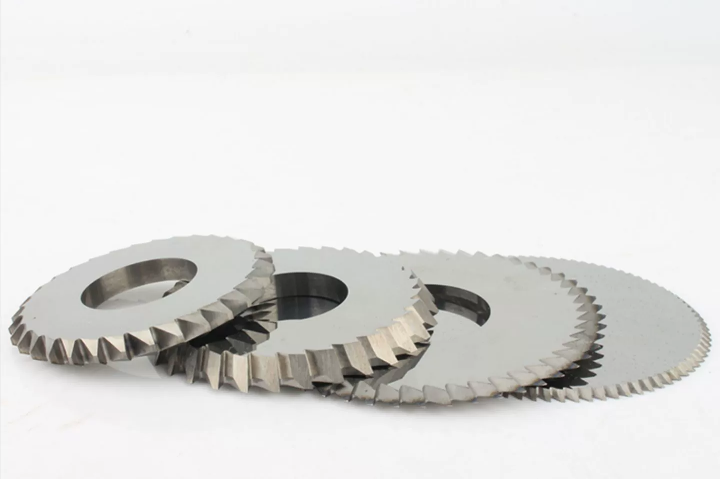
Choosing the correct carbide saw blade goes beyond just identifying the type you need. Here are several factors to consider:
1. 牙齿数量
The tooth count of a blade significantly affects its cutting performance. Generally, blades with fewer teeth cut faster and are ideal for ripping through thick materials, while those with more teeth provide finer cuts and are better suited for cross-cutting. Depending on your project, you might decide between a 24-tooth ripping blade and a 60-tooth cross-cut blade for optimal performance.
2. Blade Diameter
Blade diameter influences the depth of the cut. Larger blades can cut through thicker materials, while smaller blades are better suited for lighter work. For example, a 10-inch carbide saw blade will allow for deeper cuts than a 7-inch version, making it essential to select the right size based on your material thickness.
3. 材料兼容性
Ensure that the carbide saw blades you purchase are compatible with the materials you’ll be cutting. Not all blades are suitable for every material. For instance, a woodcutting blade may not perform well on metal, and using the wrong blade can lead to damage and reduced blade life. If you’re frequently switching between wood and metals, consider investing in multi-material blades designed for versatility.
4. Arbor Size
The arbor size, which is the hole in the center of the blade, must match the size of your saw. Most standard blades have arbors of either 5/8 inches or 1 inch. Choosing the wrong arbor size can prevent you from properly attaching the blade, rendering it useless.
Benefits of Using Carbide Saw Blades
Purchasing carbide saw blades offers several benefits that may catch the attention of prospective buyers. Firstly, their incredible wear resistance means that users will spend less time replacing and sharpening blades. This long-lasting performance translates to more productive time on the job, allowing professionals to meet tight deadlines and DIY enthusiasts to finish home projects without interruptions.
Moreover, carbide saw blades produce cleaner cuts. This not only enhances the visual appearance of the finished project but also reduces the labor required for sanding and finishing. Clean cuts mean fewer splinters and imperfections in wood, making them ideal for fine woodworking or cabinetry.
成本效益
While carbide saw blades may come with a higher upfront cost compared to standard blades, their longevity and performance often make them a more economical choice in the long run. For example, a carpenter working on a large project who chooses a carbide blade may find that it outlasts several cheaper blades, thus saving on both replacing blades and the time spent on maintenance.
结论
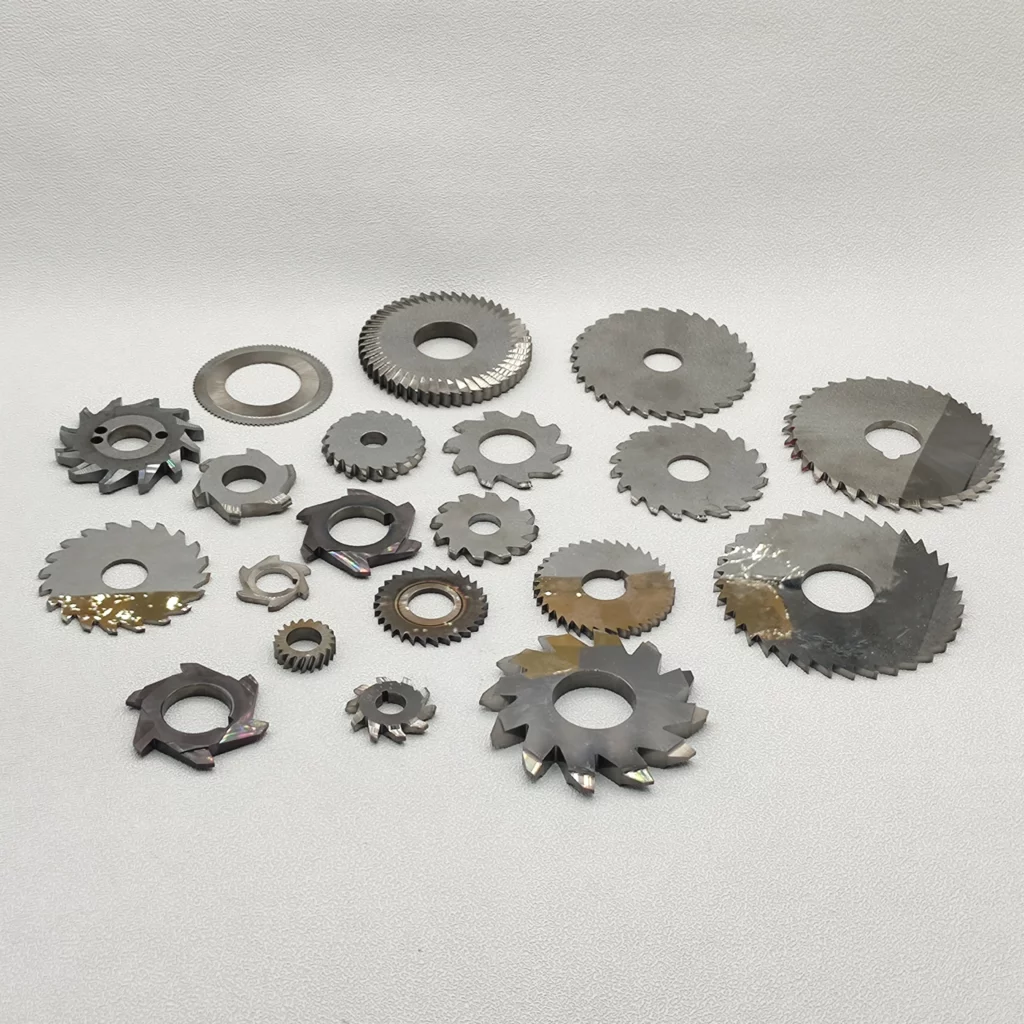
Choosing the right carbide saw blades for your cutting needs involves a thorough understanding of blade types, tooth counts, material compatibility, and other specific attributes. By considering these factors and recognizing the benefits of these blades, you can make informed choices that will enhance your cutting efficiency and overall project outcomes.
When you select the appropriate carbide saw blades, you not only invest in a reliable tool but also in the quality of your work. Whether you are a professional craftsman or a DIY beginner, the right carbide saw blade is a crucial component for achieving exceptional results. Empower your projects by making the right choice today—your cuts will thank you!
Get Technical Data & Expert Advice:
- Download specs & technical guides: www.grewintools.com or www.gwcarbide.com
- For Russian customers: www.grewintools.ru
- Connect directly for samples or consultation:
- Contact: Lydia Choo
- WhatsApp: +86-18673327292
- Email: info@gwcarbide.com
- Additional product lines: www.coweecarbide.com
 Chinese
  English
  German
  French
  Portuguese
  Spanish
  Turkish
  Russian
  Polish