
When it comes to cutting standard metals, the right tools are essential. One of the most critical tools in any metalworking shop is the saw blade. Specifically, saw blades for standard metals play a crucial role in ensuring precision, efficiency, and safety while cutting through various materials. This article will explore the different types of saw blades available, their benefits, and the specific areas where they are most useful.
Understanding Saw Blades for Standard Metals
Saw blades for standard metals are designed to tackle common metals such as aluminum, steel, brass, and copper. Selecting the right saw blade is vital, as it significantly impacts the quality of the cut. The primary types of saw blades include carbide-tipped blades, high-speed steel blades, and bi-metal blades. Each type has its features and advantages, making it essential for users to understand their needs and choose accordingly.
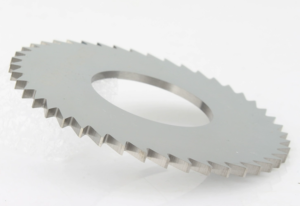
Carbide-Tipped Blades
One popular option among saw blades for standard metals is the carbide-tipped blade. These blades feature tips made of tungsten carbide, which makes them exceptionally durable. They are perfect for cutting through high-volume production metals as they maintain their sharpness longer than standard steel blades. For instance, if you’re tasked with fabricating numerous metal brackets or supports for construction, a carbide-tipped blade will ensure precision cuts without frequent blade changes.
Moreover, carbide-tipped blades can handle higher speeds, making them ideal for scenarios that demand efficiency. Imagine being in a busy fabrication shop where time equals money; using these blades could significantly reduce the time spent on each task, leading to increased output and profitability.
High-Speed Steel Blades
Another option worth considering is high-speed steel (HSS) blades. These blades are made of a special steel alloy that allows them to maintain their cutting edge even at higher temperatures. This property is particularly advantageous when cutting softer metals or when the cutting speed needs to be increased. For example, if you are cutting aluminum sheets for automotive parts, an HSS blade would provide clean cuts without deformation, ensuring the pieces fit perfectly during assembly.
HSS blades are also less expensive than carbide-tipped varieties, making them a popular choice for individuals or small businesses looking to manage costs effectively. However, they may not last as long as carbide-tipped blades, so your choice may hinge on the volume and type of work you anticipate.
Bi-Metal Blades
Bi-metal blades combine two different types of steel, offering the best of both worlds. The teeth of bi-metal blades are made from high-speed steel, while the body is made from flexible, resilient steel. This combination allows the blade to be both durable and flexible, making them suitable for various applications. If you work with mixed materials, such as cutting thin sheets of metal and thicker sections, bi-metal blades can adapt to different challenges efficiently.
A common scenario for bi-metal blades is in cross-cutting heavier metal sheets. Their flexibility allows them to bend slightly without breaking, reducing the chances of the blade snapping during operation. This adaptability means fewer interruptions during work, which is always beneficial for productivity.
Benefits of Using the Right Saw Blades
Choosing the appropriate saw blades for standard metals can enhance your workflow in several ways:
1. 精确: Quality saw blades lead to cleaner cuts, allowing for tighter fitting components in projects.
2. 耐用性: The right blade can handle extended use without significant wear and tear, ensuring long-term reliability.
3. 成本效益: Investing in high-quality saw blades reduces frequent replacements and associated downtime.
4. Improved Safety: Blades designed specifically for metal cutting reduce the risk of kickback and other safety hazards inherent in less suitable tools.
Application Areas for Saw Blades
The application areas for saw blades for standard metals are vast. They serve a multitude of industries, such as:
– Construction: Used for cutting rebar or structural framing components with precision and speed.
– Automotive: Ideal for cutting various metals used in auto parts, ensuring perfect fits during assembly.
– Manufacturing: Essential for fabricating metal products, from machinery parts to decorative features.
By understanding the benefits and applications of these blades, consumers can make informed purchasing decisions that best suit their specific needs.
最后的想法
In summary, selecting the right saw blades for standard metals is a crucial consideration for anyone involved in metalworking. With options like carbide-tipped, high-speed steel, and bi-metal blades, users have a variety of tools at their disposal to meet different cutting requirements. Understanding their advantages and ideal applications ensures that every cut is efficient and accurate.
When investing in saw blades, think about the type of metal you’ll be cutting, the volume of work, and the cost-effectiveness of your choice. With the right saw blades in your arsenal, you’ll not only enhance your productivity but also create high-quality finished products that stand out in the marketplace. Ultimately, the right saw blades for standard metals are not just tools; they are an essential part of achieving excellence in craftsmanship.
Get Technical Data & Expert Advice:
- Download specs & technical guides: www.grewintools.com or www.gwcarbide.com
- For Russian customers: www.grewintools.ru
- Connect directly for samples or consultation:
- Contact: Lydia Choo
- WhatsApp: +86-18673327292
- Email: info@gwcarbide.com
- Additional product lines: www.coweecarbide.com
 Chinese
 English
 German
 French
 Portuguese
 Spanish
 Turkish
 Russian
 Polish